
Let’s Stop Pretending That Movement Isn’t Complicated

Imagine a simple pendulum swinging back and forth. Its movement is predictable. If you know the length of the pendulum, the force applied to it, and the effects of gravity, you can accurately predict where it will go next.
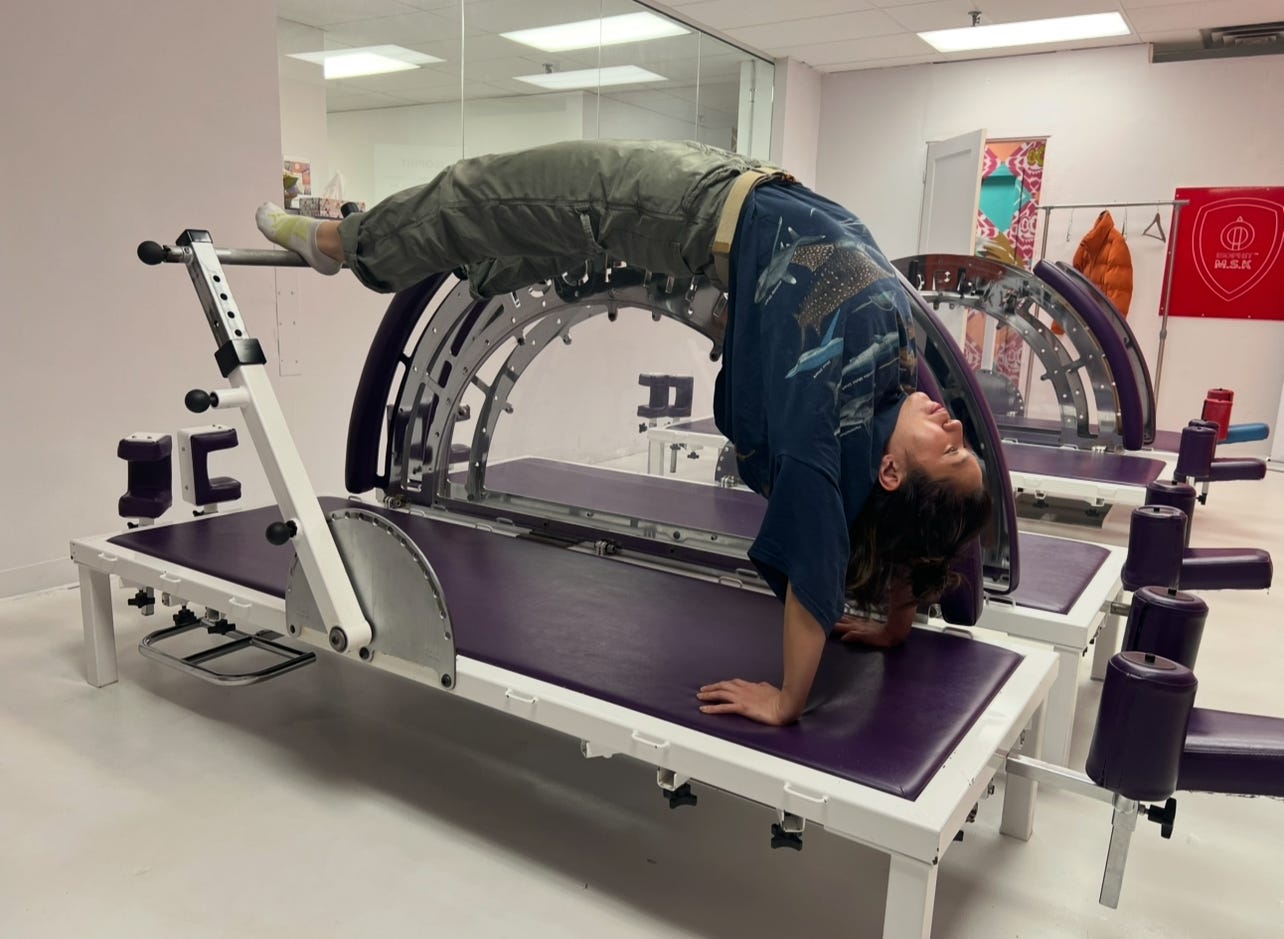
Now imagine attaching a second pendulum to the bottom of the first.
Everything changes.
This system is called a double pendulum, and it is one of the most famous demonstrations in physics and chaos theory. The top arm swings first, but the second arm immediately begins reacting to the movement beneath it. Within seconds, the motion becomes highly unpredictable. Tiny differences in starting angle, timing, or force rapidly produce entirely different outcomes. Two systems released from nearly identical positions quickly diverge into completely different movement patterns.
The system is not random. It is simply so interconnected and sensitive to initial conditions that precise long-term prediction becomes nearly impossible.
Now imagine replacing rigid rods with elastic tendons, adaptive muscles, moving joints, fluid-filled tissues, sensory feedback systems, emotional stress, fatigue, anticipation, reaction timing, and gravity acting on the system every millisecond.
Now imagine the complexity of human movement.
Human movement is not driven by a single muscle, joint, or tendon acting independently. It is the product of billions of continuously interacting variables operating simultaneously across multiple systems. Every movement you make is influenced by gravity, tendon stiffness, joint position, muscular tension, neurological signaling, proprioception, fatigue, tissue compliance, previous movement history, momentum, environmental feedback, and force transmission occurring throughout the body in real time.
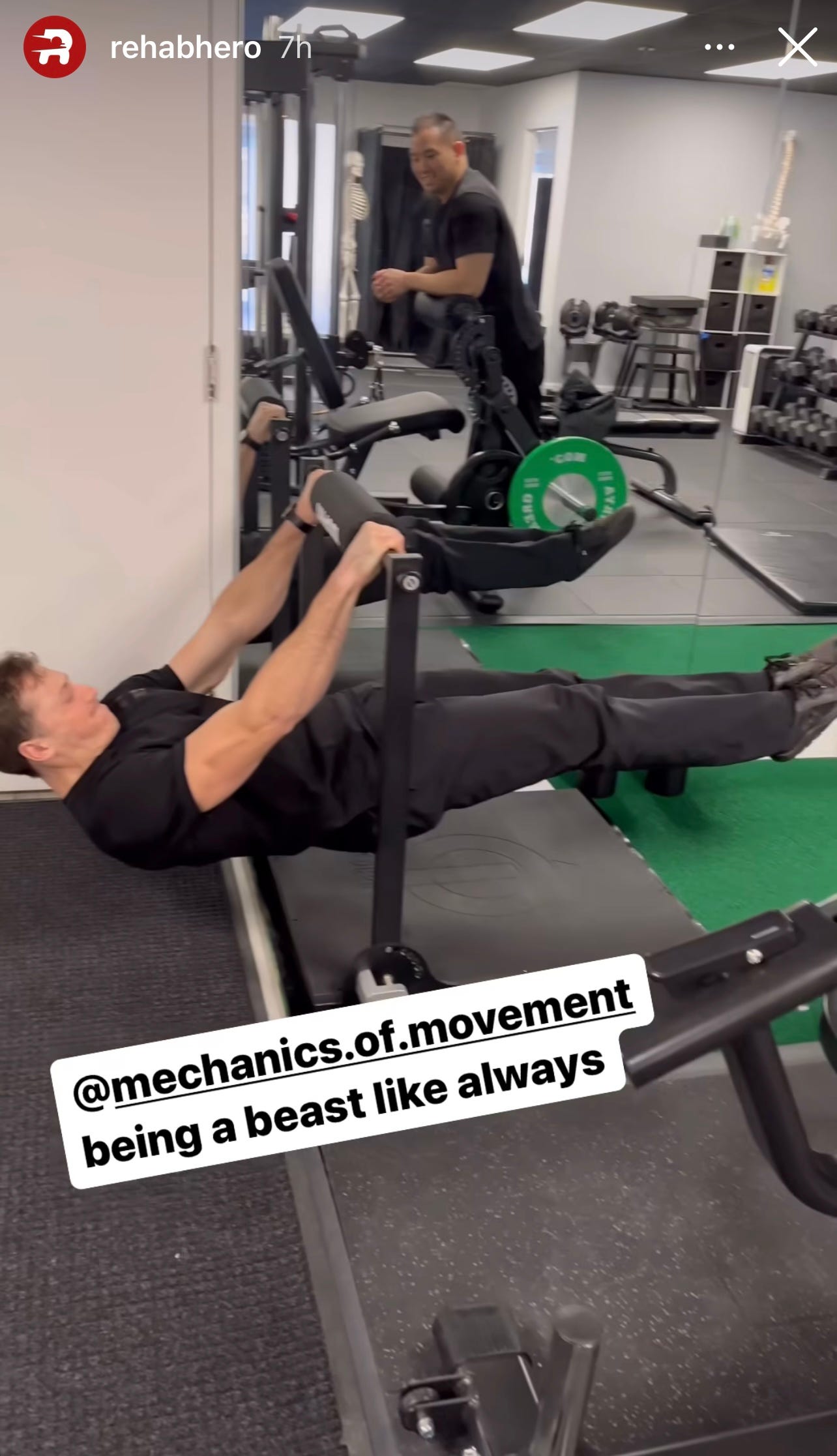
And remarkably, modern biomechanics increasingly models movement using pendulum-based systems.
One of the most influential models in locomotion research is the spring-loaded inverted pendulum, or SLIP model. Researchers use it to explain how the body manages force, energy transfer, and center-of-mass motion during walking and running. More importantly, research has demonstrated that during the single-support phase of walking, the spring-loaded inverted pendulum undergoes two contraction-extension cycles rather than one.
Think about what this means.
Even walking — the movement humans perform thousands of times per day without conscious thought — is mechanically complex enough to require repeated contraction-extension interactions during a single step. The body is not simply falling forward or pushing off the ground. It is continuously reorganizing force, redirecting momentum, managing stiffness, and adapting to changing mechanical demands in real time.
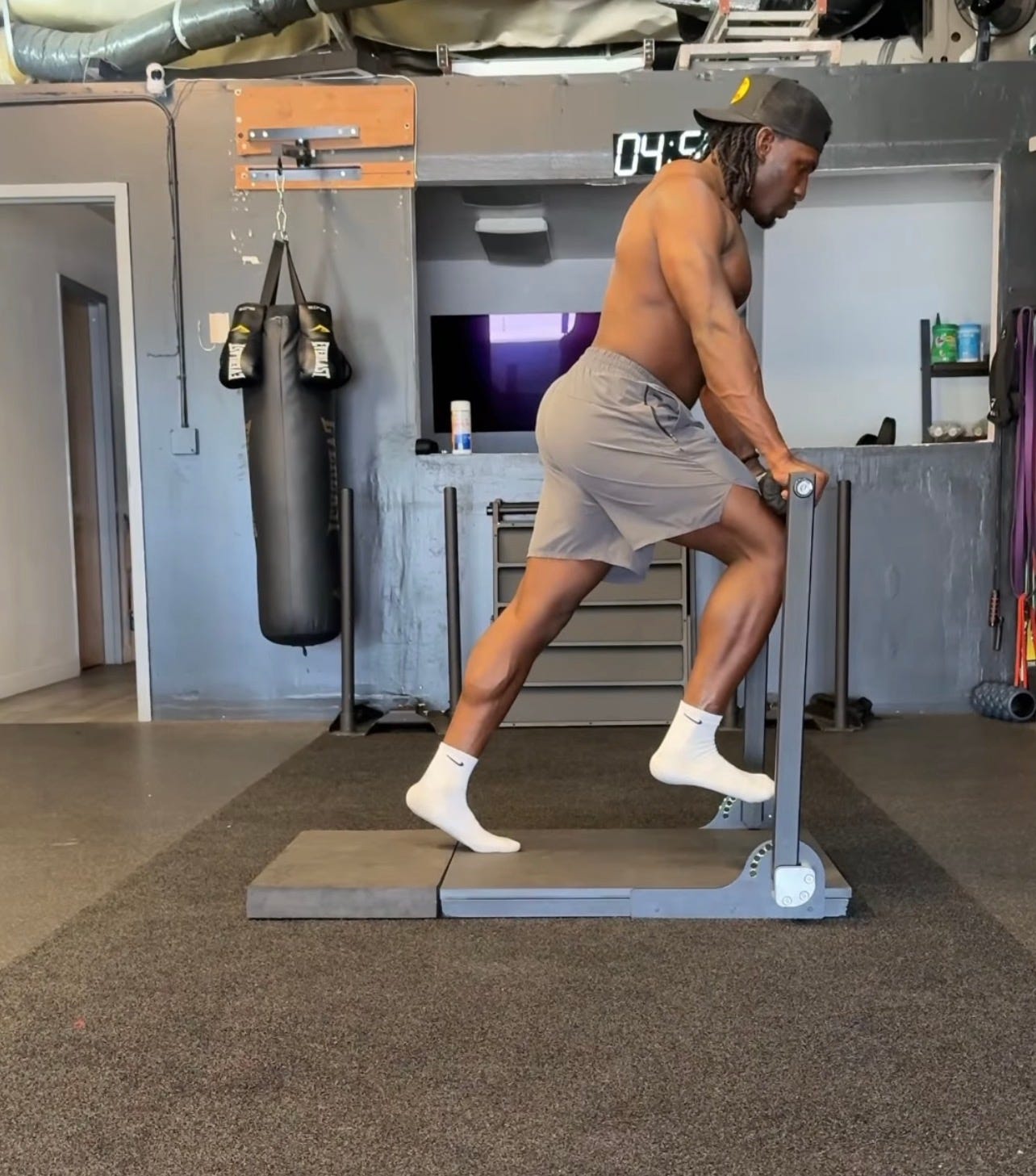
Yet much of the health, fitness, rehabilitation, and performance industries still attempts to reduce movement into isolated categories.
We separate mobility from strength. We isolate muscles. We discuss balance independently from power. We analyze joints as though they operate independently from the rest of the body. But the body does not function in isolated compartments. It functions as an integrated adaptive system where everything influences everything else.
A slight reduction in ankle stiffness may alter force transmission into the knee. Delayed trunk stabilization may change hip mechanics milliseconds later. Reduced cervical spine control may influence visual orientation and lower-body coordination simultaneously. Fatigue in one tissue may redistribute stress throughout the entire chain. Like the double pendulum, small disturbances early in the system can create massive downstream consequences.
This may explain why two athletes can perform the same program, produce similar outputs, and experience entirely different physical outcomes. In a chaotic biological system, small differences compound rapidly.
It may also explain why movement remains so difficult to fully predict despite advances in biomechanics, force plates, AI modeling, wearable technology, and motion capture systems. The body is not executing pre-programmed movement patterns. It is solving force-management problems in real time.
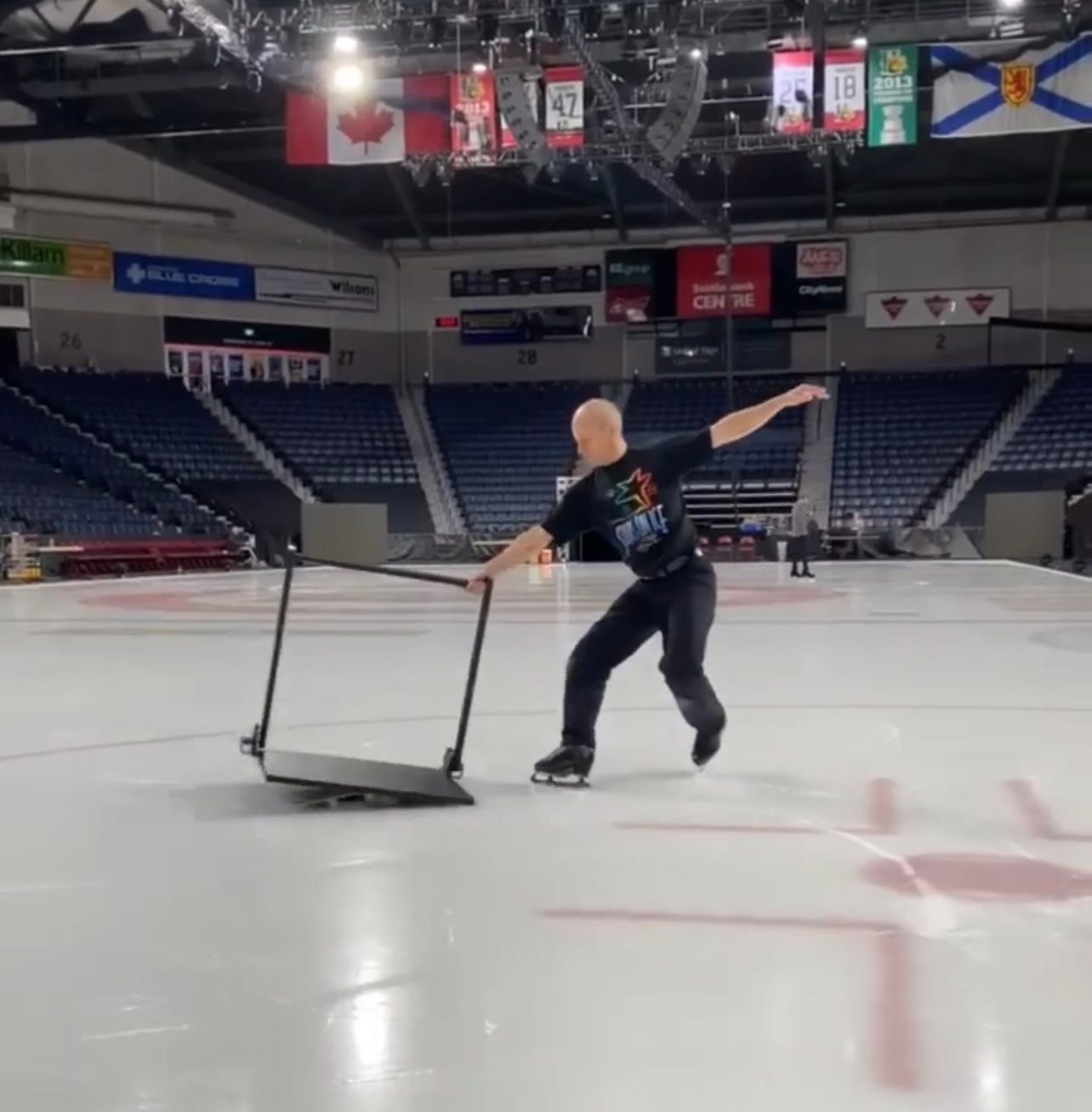
Elite athletes appear extraordinary partly because they organize complexity better than everyone else. They maintain positional control while transmitting enormous forces through rapidly changing environments. They absorb and redirect momentum efficiently. They maintain coordination under fatigue without allowing the system to collapse into dysfunction.
Every visible movement is built on invisible moments of force organization.
Every explosive movement in human performance is born from a moment of zero velocity. Before the body can accelerate, cut, jump, throw, strike, or change direction, it must first organize and transmit isometric force. Before the body can express motion externally, it must first organize tension internally. Dynamic movement is not the opposite of isometric force production. It is the expression of it.
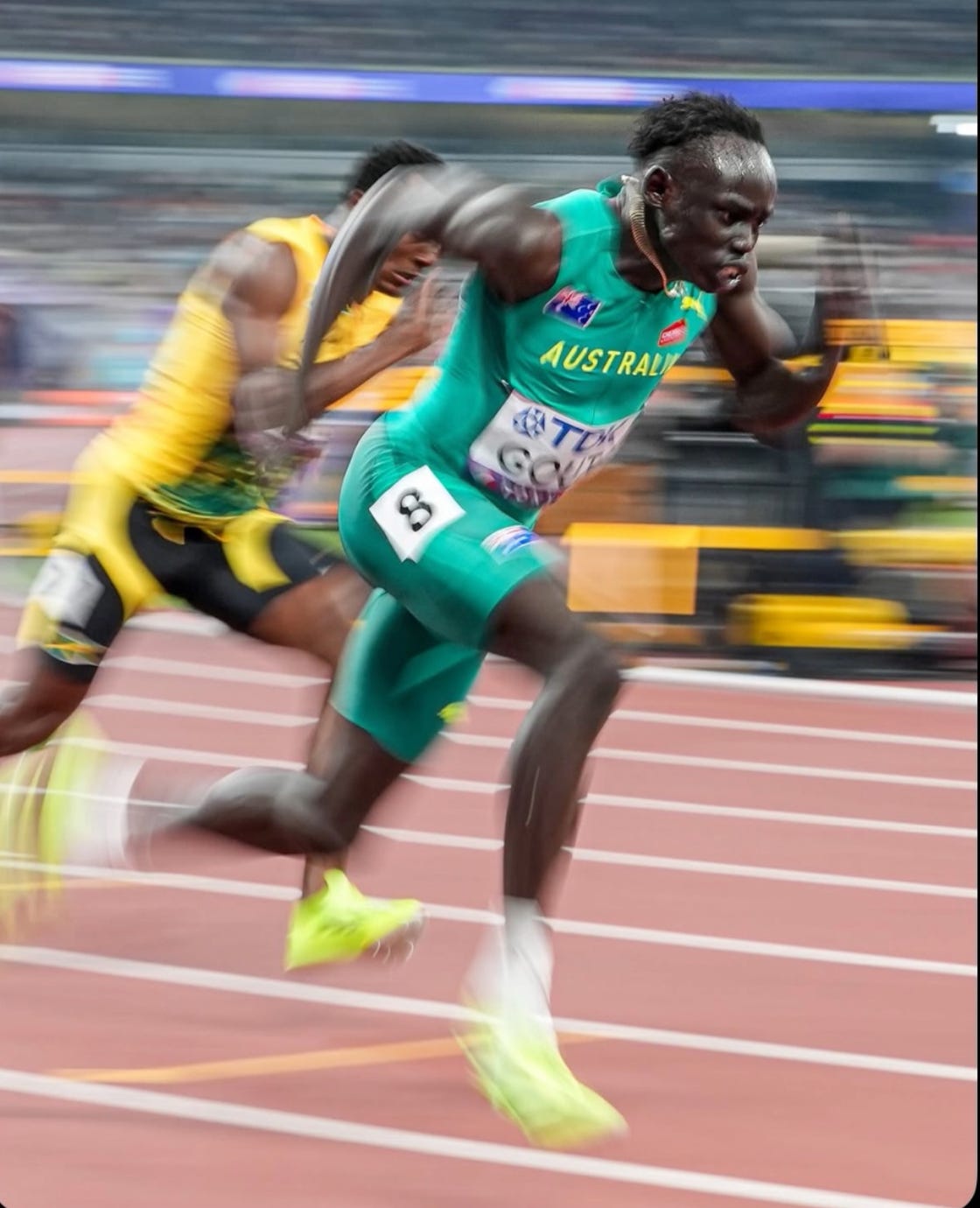
At foot strike, the contact point against the ground has an instantaneous net velocity of zero. During sprinting, landing, cutting, throwing, and striking, tissues throughout the body continuously stabilize and transfer force before visible movement can occur.
Movement is not simply motion.
Movement is organized force management inside a chaotic biological system.
The problem is not that human movement is too complicated. The problem is that we’ve spent decades pretending it isn’t.
At Isophit, we help the world’s strongest, fastest, and most dominant athletes—and everyday people—to win more, hurt less, and age stronger.
Learn more at www.isophit.com

This one of the best articles you've written. It is very easy for trainers and coaches and therapists to get consumed by all the possible variables to account for in human movement - speed of movement, magnitude of force, range of motion, duration of movement, etc. This approach really strips all that down and focuses on what matters most.
That’s cool man