Why Isometric Strength Training Might Be the Ultimate Metabolic Cheat Code

The fitness industry has never been larger. Neither has the obesity crisis. The United States now spends hundreds of billions of dollars annually managing obesity-related disease, while rates of hypertension, Type 2 diabetes, cardiovascular disease, and physical inactivity continue to rise. At the same time, the global fitness economy has exploded. Health clubs, boutique studios, wearables, digital fitness platforms, supplements, and wellness apps have become mainstream consumer products.
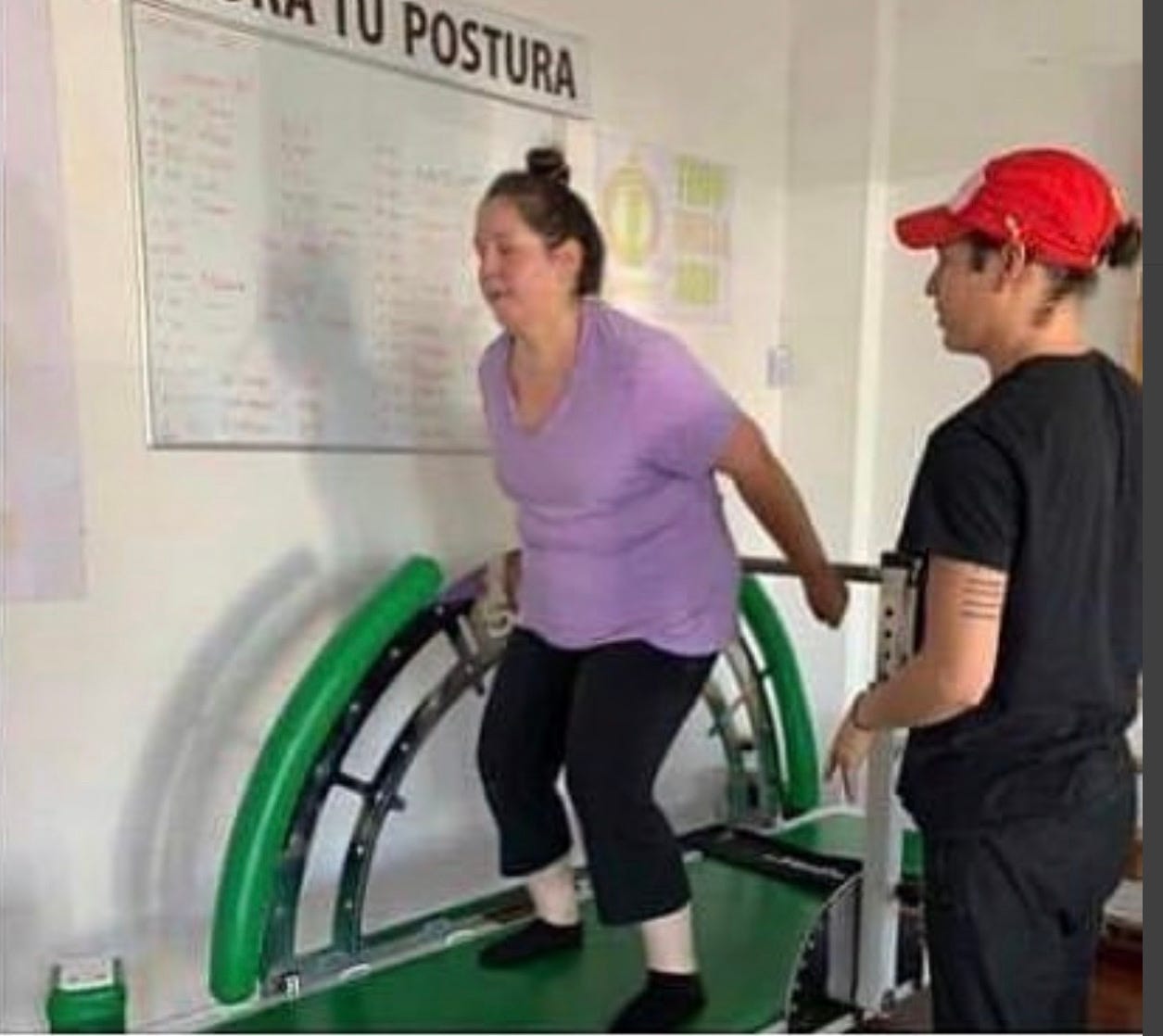
Yet despite decades of growth and innovation, a fundamental problem remains unresolved: a large portion of the population still feels excluded from exercise itself.
The uncomfortable reality is that much of the modern fitness industry has unintentionally optimized its products and services around populations that already enjoy movement, tolerate impact, possess baseline physical confidence, or identify with fitness culture. For millions of individuals dealing with obesity, joint pain, orthopedic limitations, deconditioning, aging, chronic disease, or fear of injury, traditional exercise environments can feel punishing before progress even begins.
That is not simply a public health problem.
It is also one of the largest business opportunities in modern fitness.
Because the organizations that successfully create safer, more approachable, and more sustainable entry points into exercise may help improve public health while simultaneously welcoming millions of underserved individuals back into fitness.
This is where isometric strength training becomes strategically important.
For decades, metabolism has largely been viewed through the lens of movement quantity. Walk farther. Run longer. Burn more calories through more motion. But emerging research suggests metabolism may respond powerfully not only to movement itself, but also to force production.
A recent study from researchers at The Ohio State University found that the metabolic cost of isometric force production scales nonlinearly with torque. In practical terms, as the body produces higher levels of isometric force, energy demand does not simply rise gradually — it accelerates disproportionately. The researchers identified an optimal exponent of approximately 1.64, demonstrating that the metabolic demand of high-force isometric contractions may be substantially greater than traditional linear models previously assumed.
That distinction matters enormously.
In a perfectly linear system, doubling force would simply double metabolic demand. But the findings of this study suggest the body does not behave that way during high-force isometric contractions. Instead, the energetic cost rises faster than force itself.
The body does not pay for force linearly. It appears to pay a premium for high-force effort.
This may help explain why properly executed isometric training often feels metabolically demanding despite limited visible movement. If you’ve completed a 30inThirty strength session, you know exactly what this feels like.
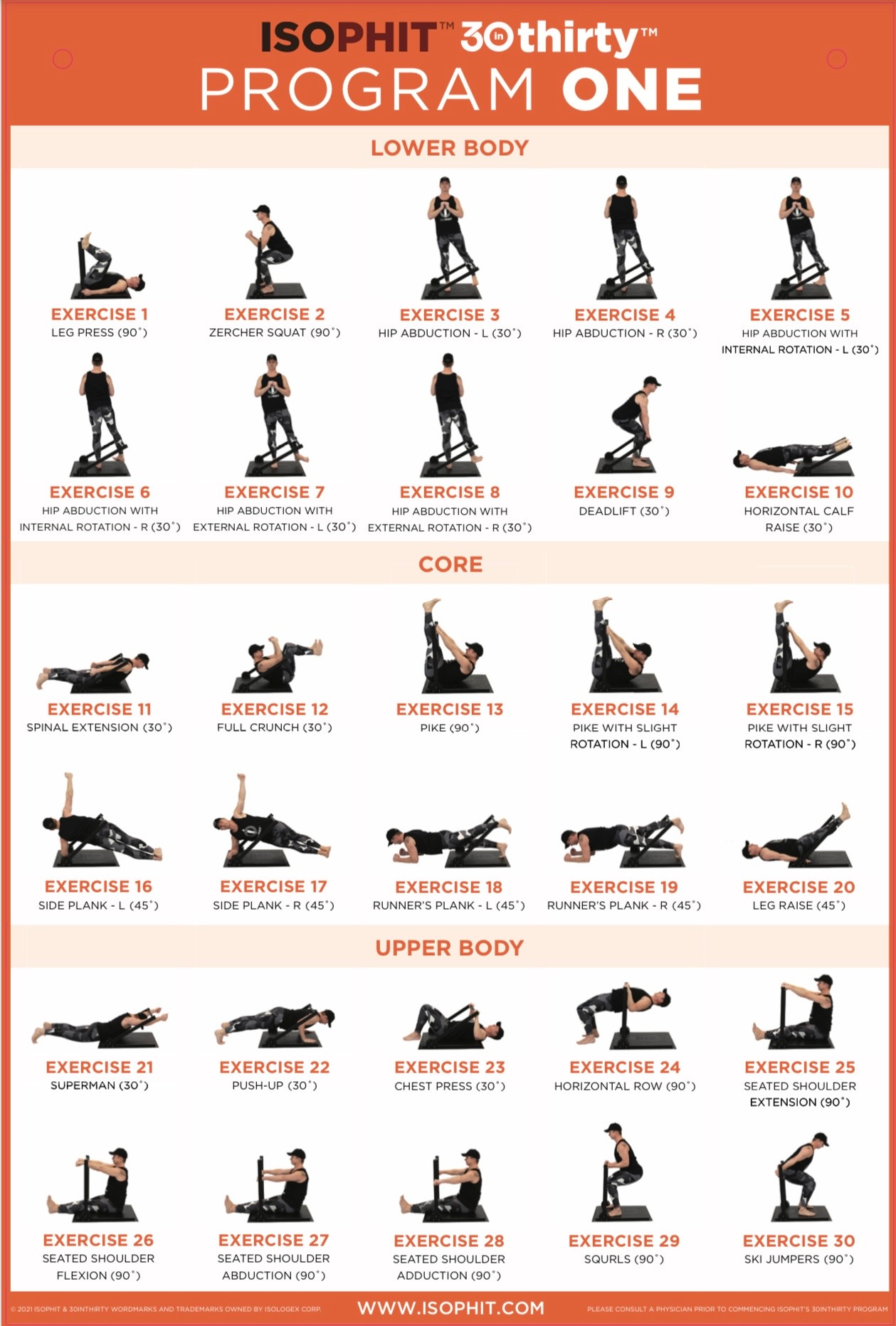
Externally, the body may appear relatively motionless. Internally, however, the nervous system is aggressively recruiting motor units, stabilizing joints, coordinating muscular tension, increasing intramuscular pressure, and sustaining force across the kinetic chain. All of that requires energy.
The body is not “doing nothing” simply because movement is reduced.
It is working extremely hard.
That insight may fundamentally reshape how the industry thinks about exercise accessibility, adherence, and metabolic efficiency.
Unlike many traditional exercise modalities, isometric training allows individuals to generate high levels of muscular effort without requiring large amounts of external movement. That distinction matters enormously for populations dealing with obesity, chronic pain, deconditioning, aging, hypertension, rehabilitation, or limited exercise experience.
The body still works intensely. Muscles still consume energy. The cardiovascular system is still challenged. Metabolic demand still rises. But the mechanical demands associated with repetitive impact, excessive joint motion, or complex movement patterns can be significantly reduced.
From a business and public health perspective, that combination begins to resemble a metabolic cheat code.
High metabolic demand. Lower orthopedic stress. Scalable intensity. Smaller space requirements. Broader accessibility. Greater time efficiency. Lower psychological barriers to entry.
That combination is rare.
And it may help explain why isometric training is increasingly attracting attention across health, rehabilitation, aging, tactical performance, and elite sport.
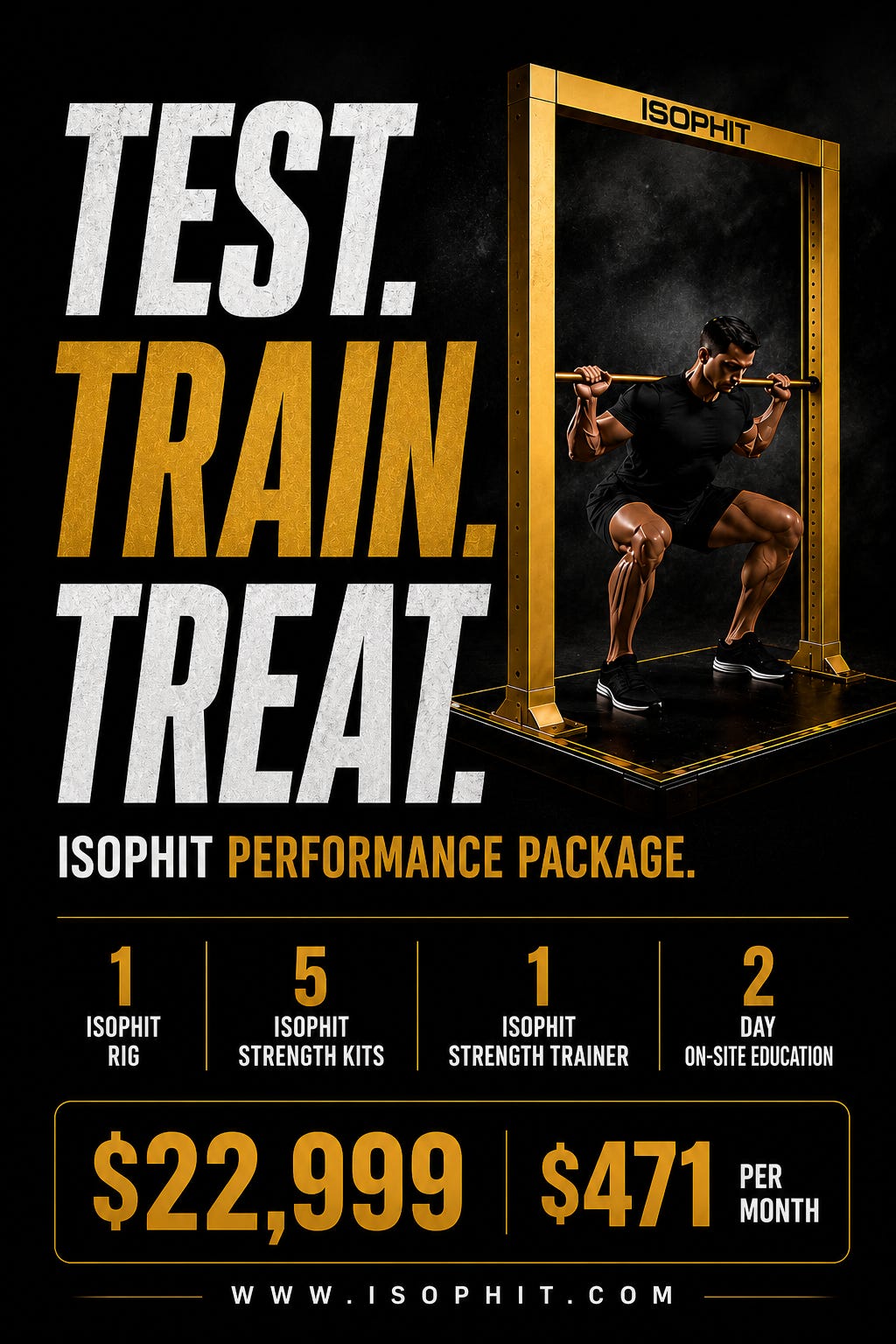
This is where systems like Isophit enter the conversation.
Isophit trains how the body produces and manages isometric force. Rather than relying on momentum or repetitive joint loading, the emphasis becomes sustained high-intensity muscular tension, systemic coordination, and actively stable force production throughout the kinetic chain.
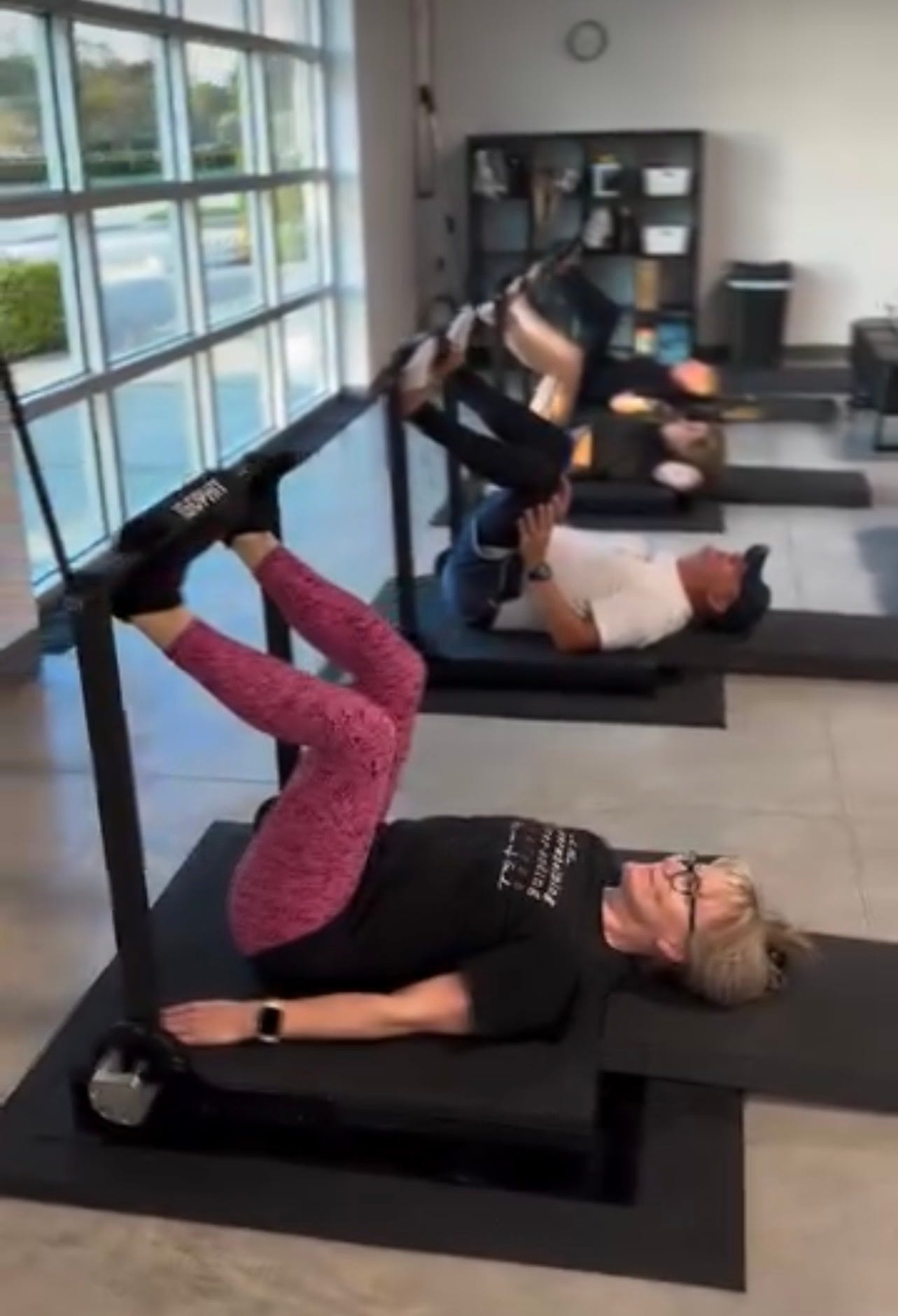
From a metabolic standpoint, this matters because skeletal muscle is one of the body’s largest and most influential metabolic organs. High-intensity isometric contractions recruit substantial amounts of musculature simultaneously while demanding significant neural drive and stabilization. The body is actively consuming energy to organize, stabilize, and sustain force throughout the system.
The result may be a substantially greater calorie burn rate than most people would expect from an exercise modality with relatively low visible movement.
More importantly, this creates an opportunity for the fitness industry to rethink who exercise is truly designed for.
If exercise can become safer, more approachable, more time-efficient, and less mechanically intimidating, millions of individuals who currently avoid fitness environments may begin re-engaging with their health. That is not only a transformational public health opportunity. It is also a transformational revenue opportunity for gyms, studios, rehabilitation providers, health systems, and performance organizations willing to evolve.
The companies that successfully welcome these populations back into fitness may define the next era of the industry.
For decades, the fitness industry has largely measured exercise by how much movement people perform.
The next era of metabolic health may be defined by how effectively people produce force instead.
If that shift proves true, isometric strength training may not simply become another fitness trend. It may become one of the most important gateways for bringing millions of people back into exercise.
At Isophit, we help the world’s strongest, fastest, and most dominant athletes—and everyday people—to win more, hurt less, and age stronger.
Learn more at www.isophit.com