Why Isometric Force Production May Become the Foundation of the Next Performance Economy

When we look honestly at the current state of global health, the question is no longer whether people need more fitness options. The question is whether the current trajectory of the fitness industry is actually working.
Because despite decades of innovation, billions of dollars in annual spending, endless new equipment launches, wearable technologies, boutique studios, apps, supplements, influencers, and content platforms, global health outcomes continue moving in the wrong direction.
Rates of obesity, hypertension, cardiovascular disease, musculoskeletal dysfunction, metabolic disorders, inactivity, chronic pain, and physical decline continue rising across much of the world. Healthcare systems remain overwhelmed by preventable chronic disease. Aging populations are placing increasing strain on medical infrastructure. Physical inactivity continues to rank among the leading contributors to poor long-term health outcomes globally.
At some point, difficult questions have to be asked.
Not emotional questions. Strategic questions.
Are current fitness models truly scalable for broad populations? Are they sustainable? Are they producing measurable long-term health improvements? Or has much of the industry become increasingly optimized around engagement, aesthetics, and content consumption rather than long-term physical resilience and function?
Poor health and inactivity remain the real enemies. The challenge is that the current fitness model appears to effectively engage only a relatively small percentage of the total population. If over 80% of people do not actively maintain a gym membership, the implication may be less about market saturation and more about untapped market potential.
In many industries, limited adoption signals weakness. But in emerging categories, it can signal opportunity. If the current system effectively reaches only 20% of the marketplace, the long-term upside may exist within the remaining 80% still searching for more sustainable, accessible, and scalable approaches to physical health and function.
This is where the conversation surrounding isometric force production becomes increasingly important.
For decades, most fitness systems have largely organized themselves around movement. More movement. Faster movement. More complicated movement. But beneath every movement lies something more foundational: the body’s ability to produce and manage isometric force.
Every movement begins with isometric force production.
Before the body can sprint, jump, rotate, stabilize, accelerate, decelerate, or even maintain posture efficiently, the nervous system must first organize tension and isometric force management throughout the body. Yet despite its foundational role in human function, isometric force production itself has often remained underdeveloped as a central organizing principle within the broader fitness industry.
That may be beginning to change.
Increasingly, multiple industries are converging around the same underlying challenge:
How do we improve human function, durability, resilience, and long-term physical capacity in ways that are measurable, scalable, efficient, and sustainable?

Elite sports organizations are searching for improved durability and performance optimization. Rehabilitation systems are looking for more measurable and scalable interventions. Longevity researchers are increasingly focused on preserving neuromuscular function and strength across the lifespan. Tactical and military organizations require resilient, durable operators capable of maintaining physical readiness under high-stress conditions. Healthcare systems are under growing pressure to prioritize prevention rather than simply reactive treatment.
These are no longer isolated conversations.
They are becoming one conversation centered around human optimization.
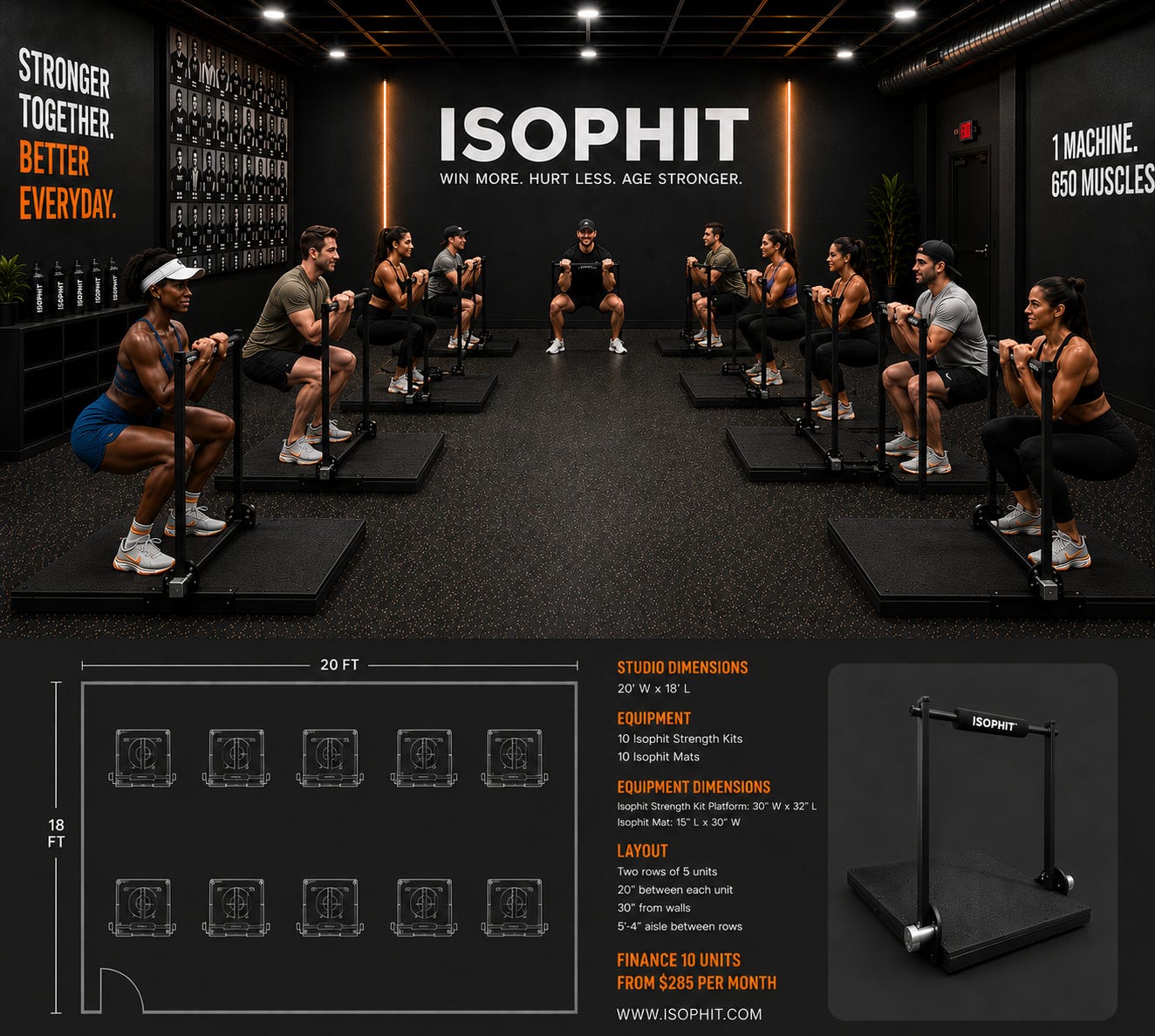
This convergence is precisely why Isophit has positioned itself at the intersection of human performance, rehabilitation, wellness, longevity, and preventative health.
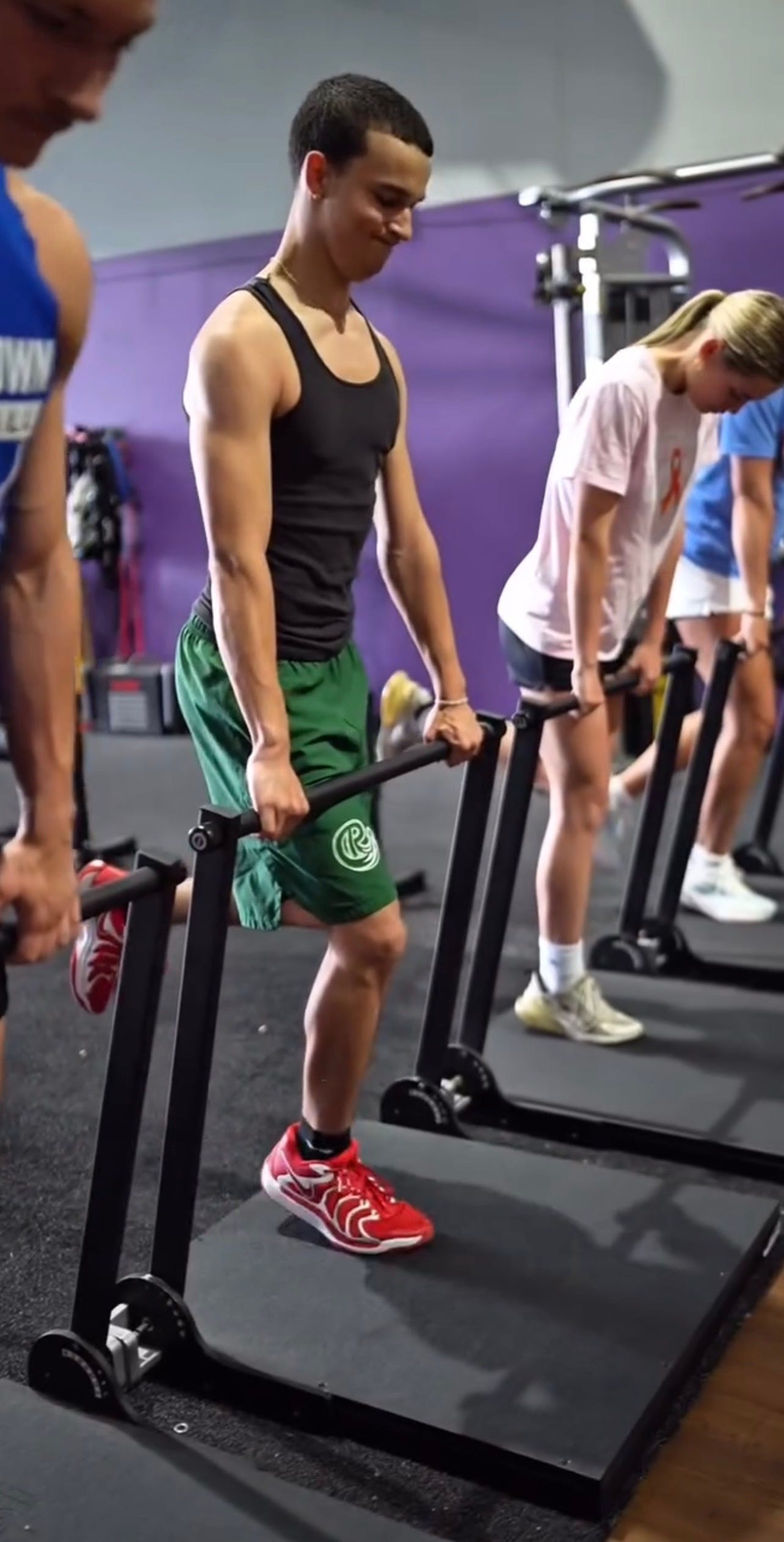
Isophit is a patented platform and method of exercise designed to improve how the body produces, tolerates, transfers, and expresses force. While the company’s roots sit within sports performance, its long-term strategic positioning extends far beyond athletics.
That distinction matters.
Because the future opportunity may not simply involve selling exercise equipment. The larger opportunity may involve building scalable infrastructure around isometric force development, rehabilitation, wellness, longevity, and preventative health.
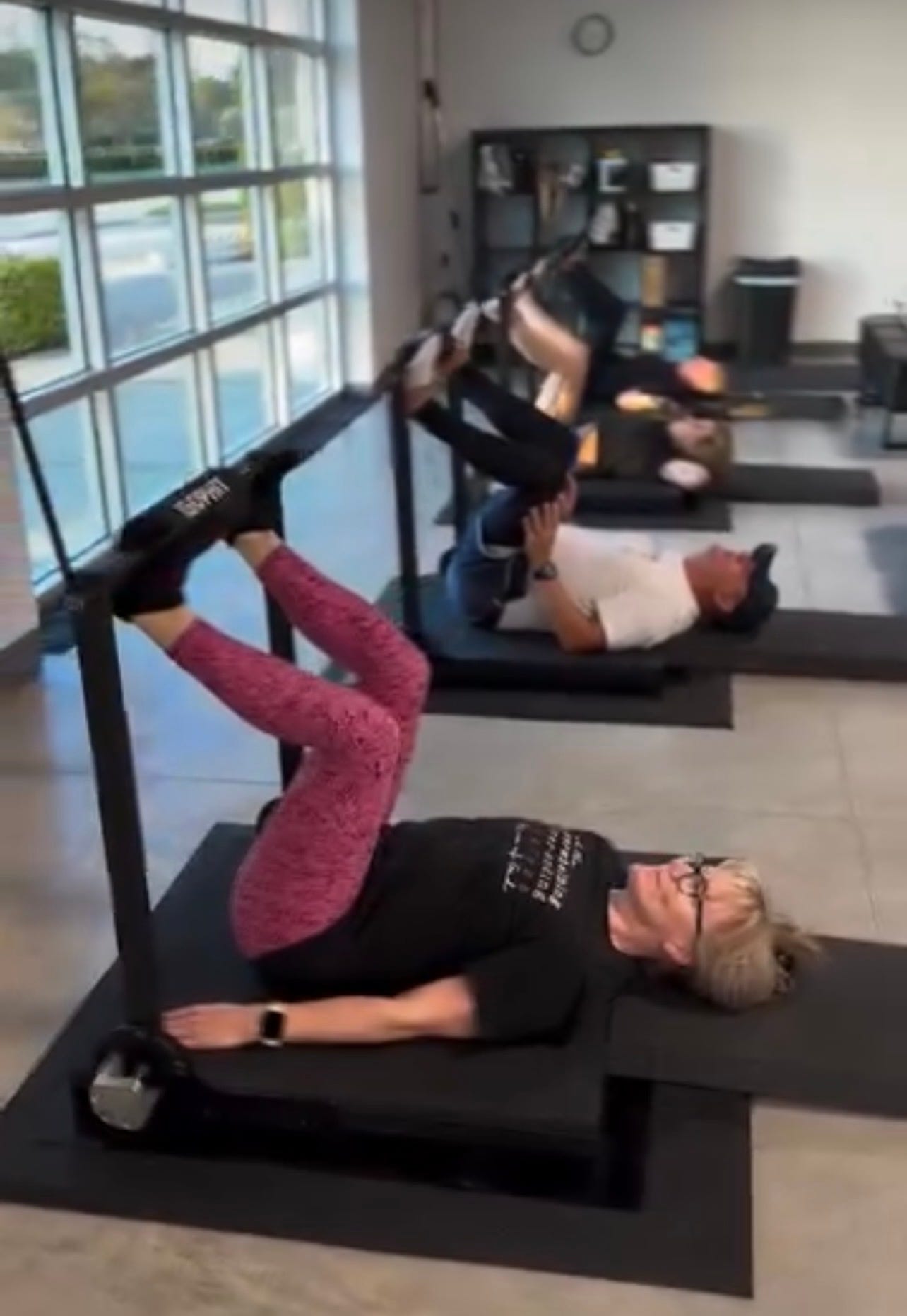
Healthcare systems are increasingly searching for preventative solutions capable of improving physical function before decline accelerates. Aging populations are creating enormous demand for systems focused on maintaining strength, stability, independence, and quality of life later into adulthood. Employers continue investing in enterprise wellness strategies aimed at improving workforce health and reducing long-term healthcare costs. Home fitness consumers are increasingly searching for efficient, measurable, and sustainable systems rather than increasingly complex training environments.
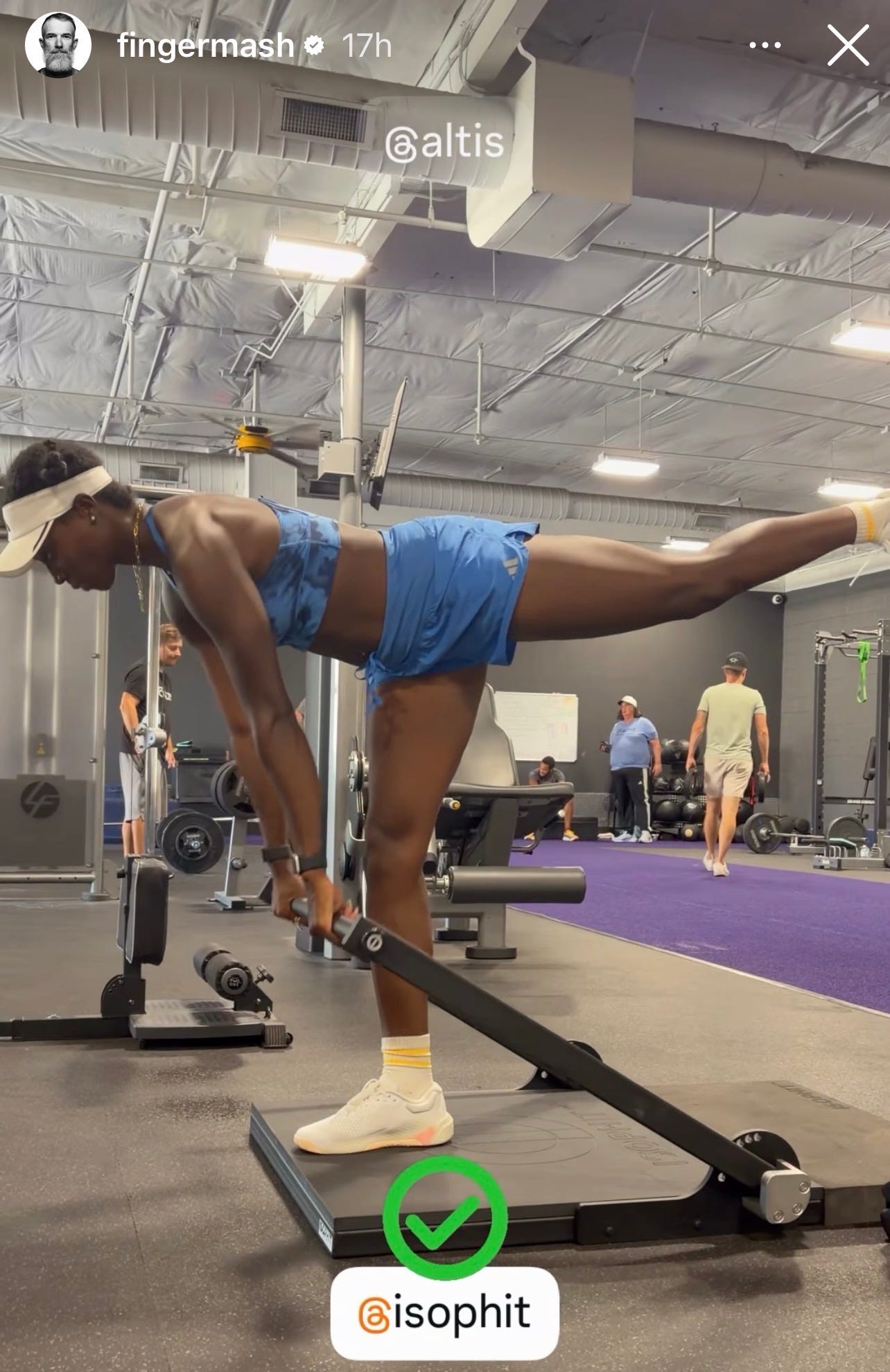
At the same time, elite sport and tactical sectors continue investing aggressively in systems capable of improving readiness, durability, and isometric force-management capacity under high-performance conditions.
Individually, each of these represents a substantial market opportunity.
Collectively, they may represent one of the largest emerging opportunities within the broader human performance economy.
The significance of this convergence becomes even clearer when viewed through an economic lens. The global wellness economy already exceeds several trillion dollars annually, while healthcare, rehabilitation, healthy aging, home fitness, sports performance, and tactical readiness collectively represent some of the largest and fastest-growing sectors within the broader human performance economy.
If isometric force production ultimately becomes a more central organizing principle within these industries, the long-term commercial implications could be substantial.
Perhaps most interestingly, despite the growing conversation surrounding resilience, longevity, rehabilitation, and force management, the recent American College of Sports Medicine Position Stand on resistance training dedicated relatively little attention to isometric force production itself. In many ways, that may further reinforce how early the industry still is in fully understanding the broader implications of isometric force production within performance, rehabilitation, wellness, and preventative health.
And in emerging categories, that type of institutional underrepresentation can create enormous long-term upside potential. Because when broader markets underestimate a category, early adopters often have the opportunity to establish themselves as market leaders before the rest of the industry fully recognizes where the future is heading.
The next major shift in fitness may not come from making exercise more entertaining.
It may come from fundamentally rethinking what the industry is actually trying to improve in the first place.
Because if current global health trends continue moving in the wrong direction despite unprecedented growth within the fitness industry, then perhaps the future will belong to organizations willing to rethink the foundation itself. Not simply movement. Isometric force production.
At Isophit, we help the world’s strongest, fastest, and most dominant athletes—and everyday people—to win more, hurt less, and age stronger.
Learn more at www.isophit.com