Understanding Instantaneous Force: The Key to Explosive Performance

The sports performance industry has spent decades obsessing over movement. Faster movement. More explosive movement. More dynamic movement. Entire training systems have been built around the visual appearance of motion itself. Yet the defining mechanical events responsible for elite athletic performance often occur during brief transient periods where velocity is zero or near zero.
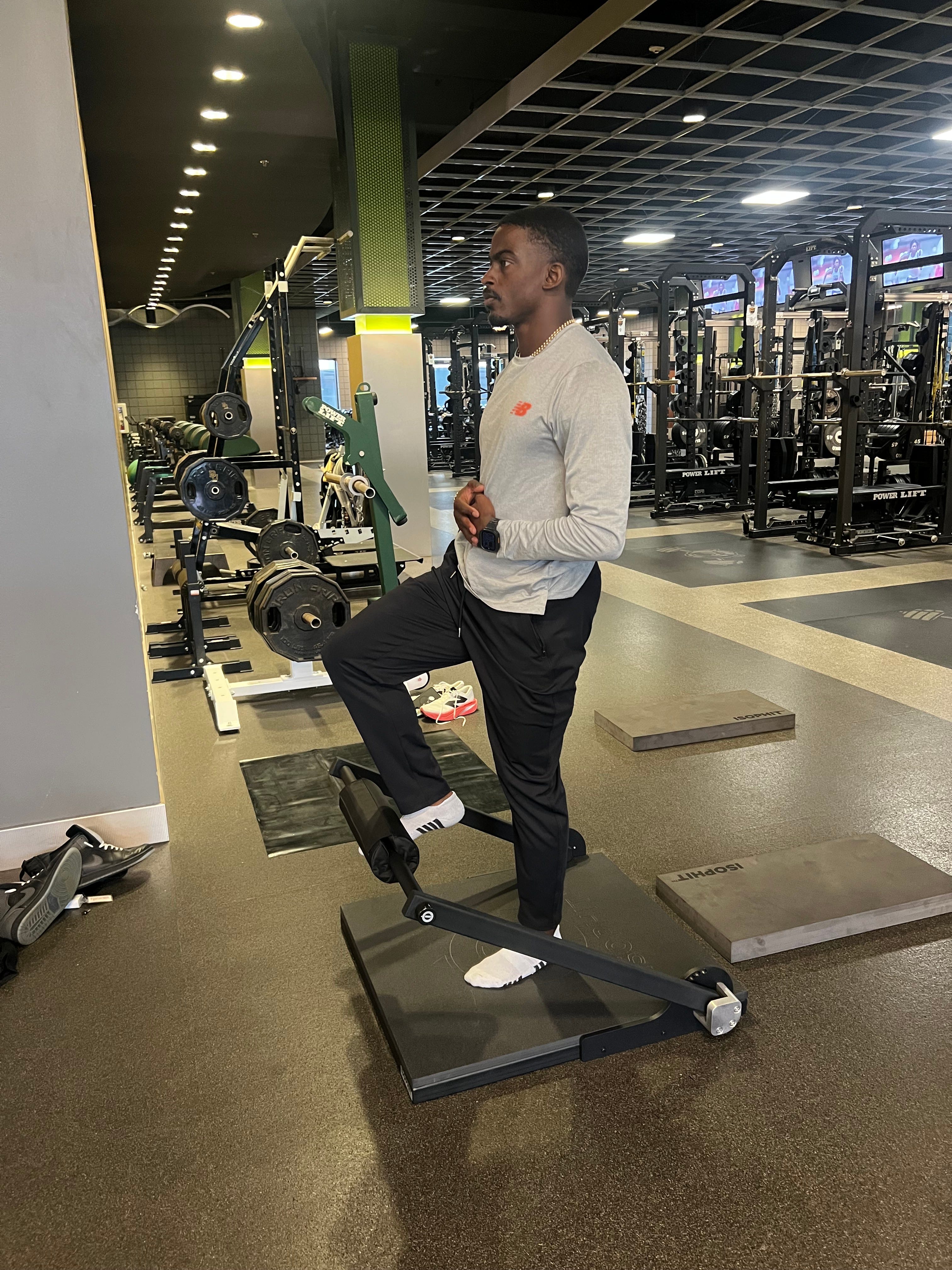
This distinction matters because it fundamentally changes how explosive performance should be understood.
Dynamic movement outcomes are heavily dependent on the body’s ability to rapidly organize and express isometric force during transient zero-velocity conditions.
This is not philosophical language.
It is a biomechanical reality.
One of the most important concepts supporting this discussion is the instantaneous center of zero velocity. In mechanical systems, there are moments where specific points within a moving structure possess zero instantaneous velocity while surrounding segments rotate or move around them. In rolling systems, for example, the point of contact between a wheel and the ground momentarily has zero velocity relative to the surface.
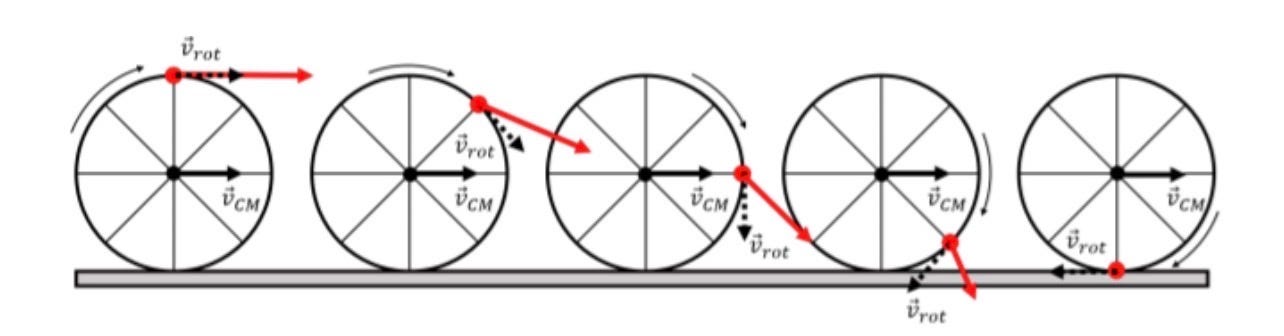
Human movement shares certain principles with these systems, but with one critically important difference.
Humans are not rigid mechanical structures.
A car wheel rotates around a fixed axle.
Human joints do not operate around permanently fixed axes of rotation.
Joint centers migrate. Moment arms continuously change. Tendons deform. Muscle stiffness fluctuates. Force vectors shift instantaneously. Multiple tissues simultaneously shorten, lengthen, stabilize, and transfer force across continuously changing mechanical conditions.
The human body is not a rigid machine.
It is a dynamically stabilizing biological system.
That distinction is enormous because it means athletes must continuously create transient mechanical stability before force can be efficiently expressed.
This is where isometric force production becomes critically important.
Before acceleration can occur, the body must first stabilize.
Before force can be redirected, momentum must first be controlled.
Before explosive movement can emerge, the nervous system must rapidly organize tension throughout the system to prevent excessive deformation and energy leakage.
Movement does not occur independently of stabilization.
Movement emerges from stabilization.

This becomes especially visible during sprinting, cutting, jumping, landing, striking, and rapid deceleration tasks. At foot strike during sprinting, the contact point between the foot and the ground approaches an instantaneous net velocity of zero relative to the surface. During change of direction, the athlete must rapidly reorganize force around transient zero-velocity conditions before momentum can be redirected efficiently. During collision events, tissues must stiffen rapidly to tolerate force and maintain structural integrity before force can be transferred outward into the environment.
The visible movement that follows is the consequence of force organization.
Not the cause of it.
This is one reason elite athletes appear mechanically efficient while less skilled athletes often appear chaotic under high-speed conditions. Elite performers are exceptionally effective at rapidly organizing transient stability through coordinated isometric tension. Their nervous systems minimize unnecessary deformation, reduce energy leaks, and transfer force efficiently across dynamically changing joint mechanics.
Poor force organization creates inefficiency.
Efficient force organization creates explosive movement.
Importantly, this does not mean athletic movement is purely isometric. Human movement is always a coordinated interaction between concentric, eccentric, and isometric muscle actions occurring simultaneously throughout the body. Some tissues shorten dynamically to create movement while others function isometrically to stabilize joints, resist deformation, maintain posture, and transfer force across the kinetic chain.
However, explosive movement cannot be separated from the body’s ability to rapidly create transient isometric stabilization.
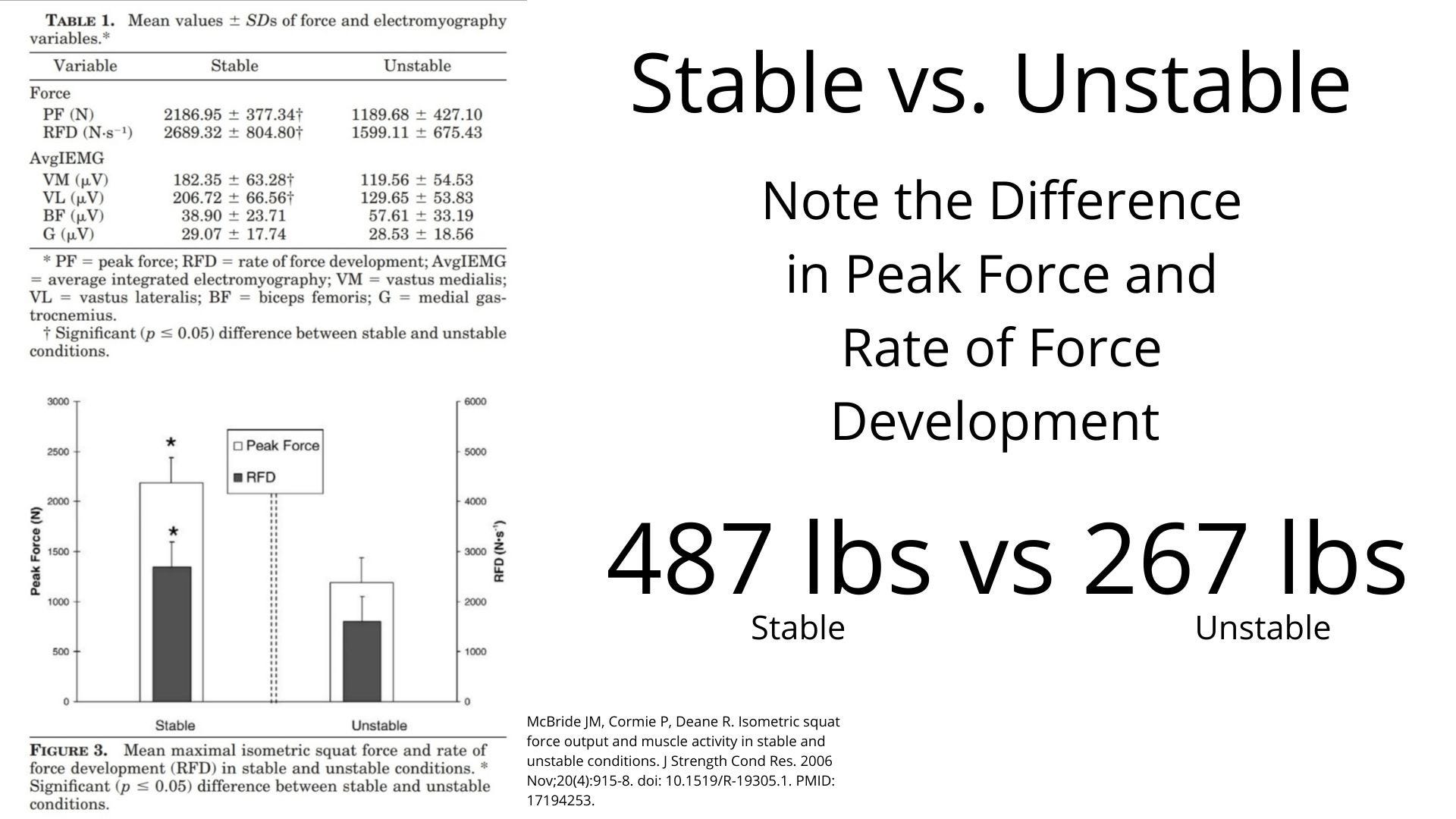
The literature surrounding instability and force production strongly supports this interpretation. McBride and colleagues demonstrated substantial reductions in peak force and rate of force development when instability was introduced during isometric squat testing. Peak force production decreased by approximately 43%, while rate of force development decreased by nearly 40% under unstable conditions.
These findings are critically important because they demonstrate that force expression depends heavily on stabilization capacity.
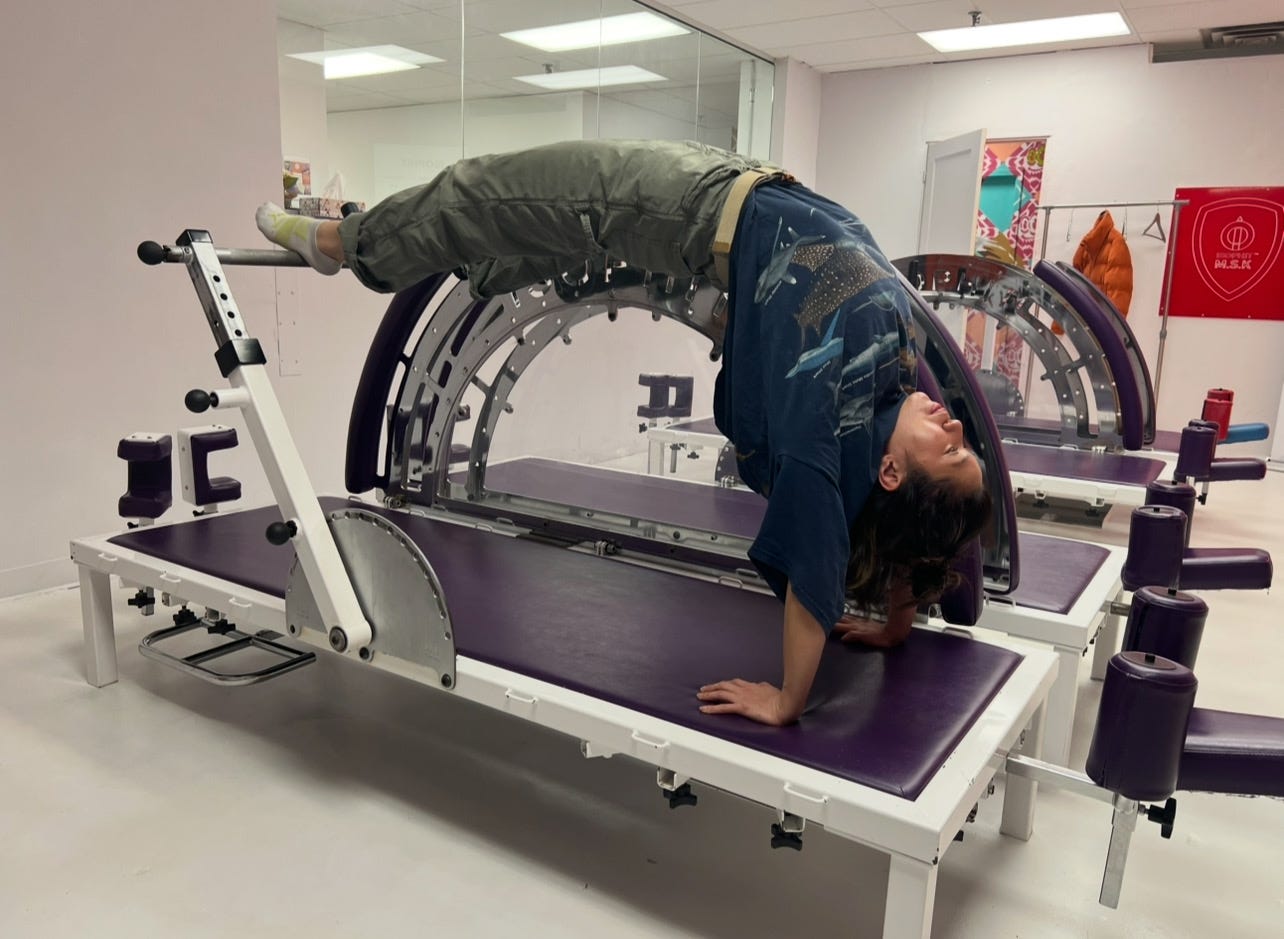
When the nervous system perceives instability, resources are redirected toward maintaining structural control rather than maximizing force output.
The body prioritizes survival before force expression.
This also helps explain why tendon stiffness and connective tissue integrity play such enormous roles in elite athletic performance. Tendons function as critical force transmission structures between muscle and bone. Efficient force transfer requires tissues capable of tolerating and transmitting high mechanical loads with minimal energy dissipation.
The athlete who can rapidly organize stiffness and tolerate force efficiently becomes more explosive not simply because they “move faster,” but because they organize force more effectively.
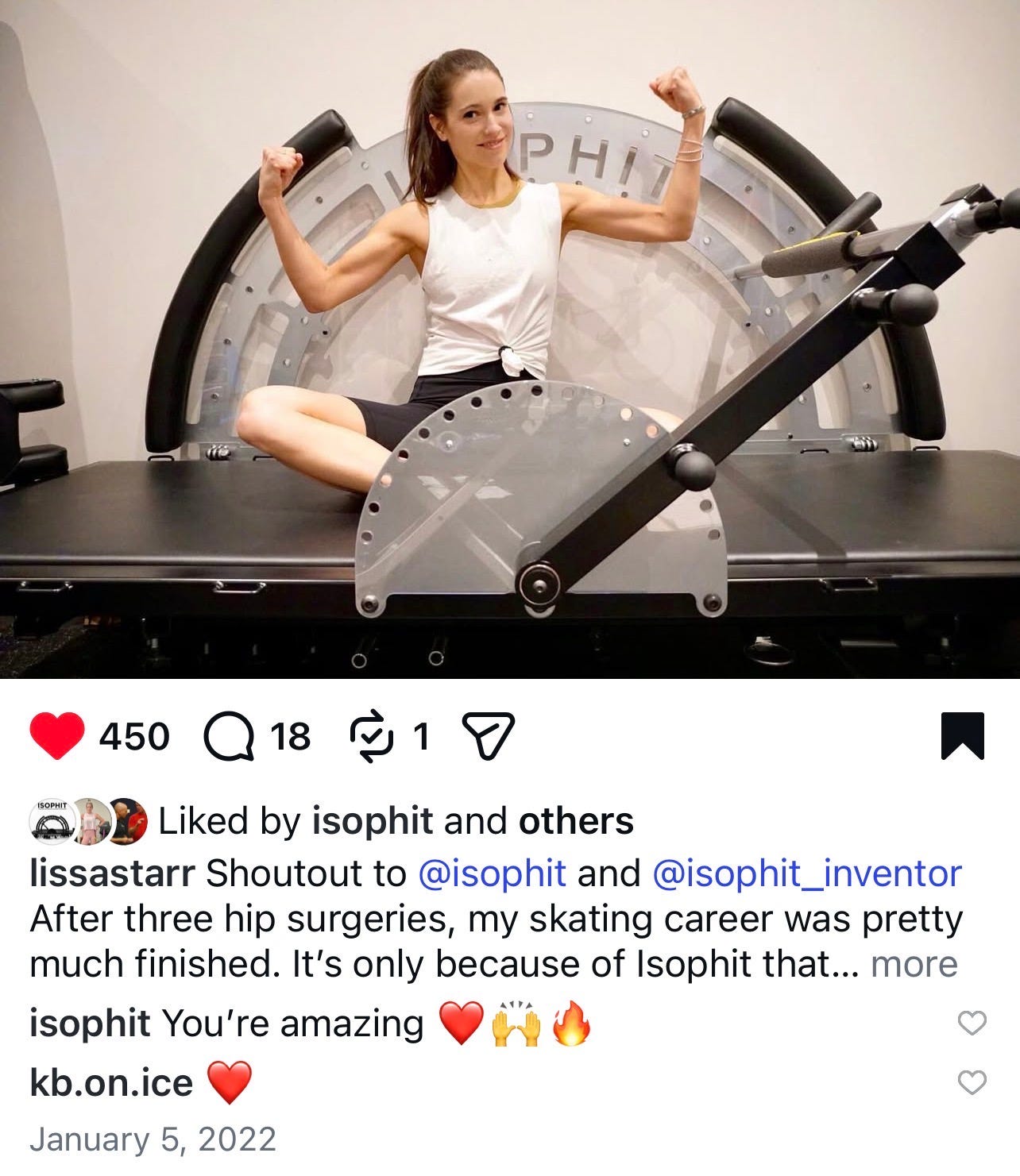
This perspective also reframes injury discussions. Non-contact injuries are often described as movement problems, but many are more accurately interpreted as failures of force tolerance, force transfer, or transient stabilization under high mechanical demand.
An ACL rupture is not merely a movement error.
It is often a failure to rapidly organize and tolerate force during transient stabilization demands.
A hamstring strain is not simply about sprinting mechanics.
It is frequently associated with the inability to manage force efficiently during high-speed force transfer conditions.
An Achilles tendon rupture is not solely about propulsion.
It is about tolerating and transferring enormous loads during rapid stabilization and force redirection events.
Ultimately, explosive athletic performance should not be viewed purely through the lens of visible movement.
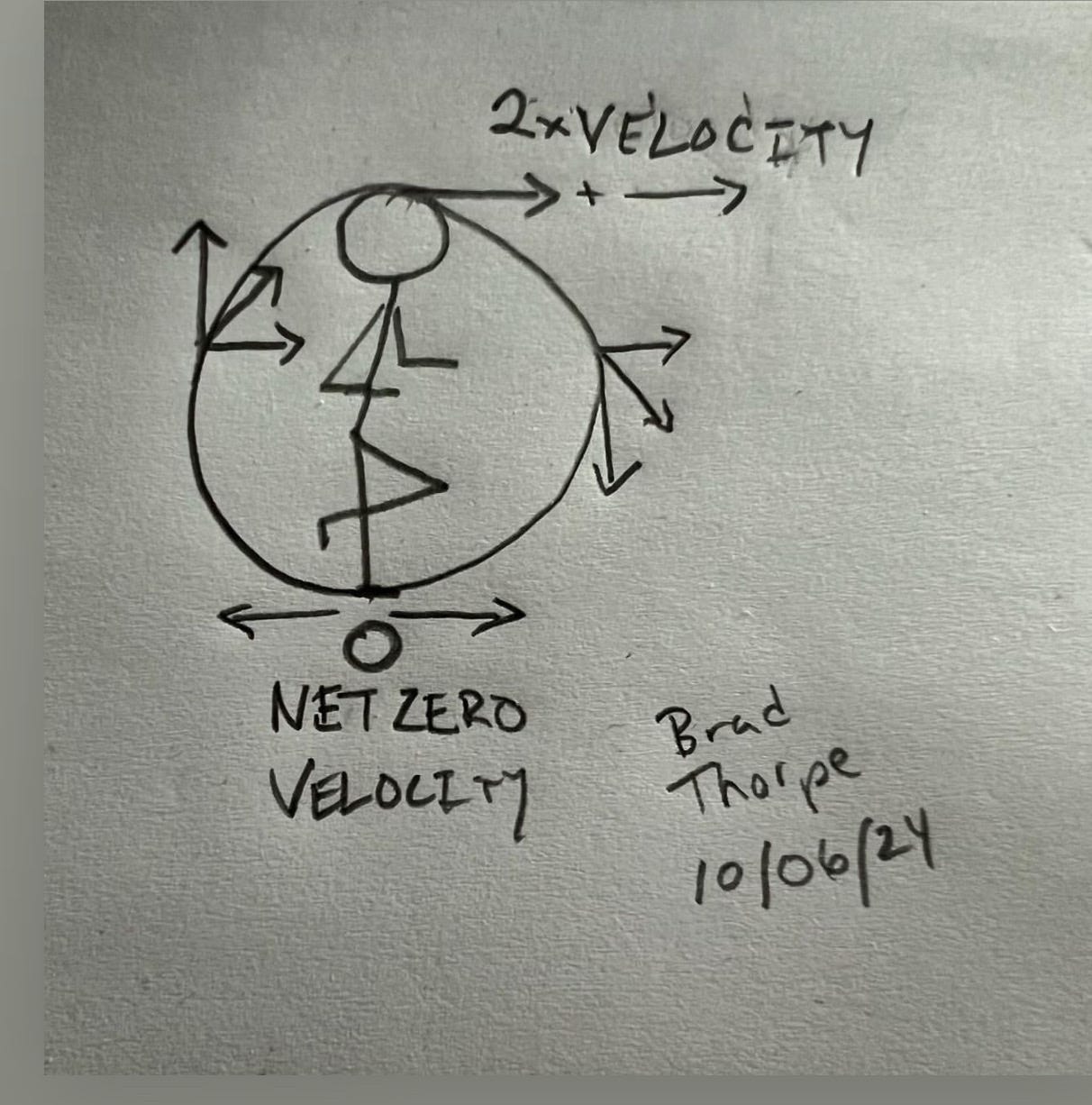
The defining moments in sport often occur during the brief instants where velocity temporarily approaches zero and the body must rapidly organize force within a biologically deformable system operating without fixed mechanical axes.
Humans are not rigid machines.
They are adaptive force management systems.
And elite performance belongs to the athletes who can most efficiently create transient stability, organize isometric tension, tolerate force, and transfer energy through continuously changing mechanical conditions.
Movement is the visible outcome.
Force organization is the underlying mechanism.
And many of the most important moments in sport occur during the brief instants where velocity is temporarily zero.
At Isophit, we help the world’s strongest, fastest, and most dominant athletes—and everyday people—to win more, hurt less, and age stronger.
Learn more at www.isophit.com