Tendon Research Has a Causation Problem

What if tendon research has become more sophisticated at discussing treatment than understanding cause?

Modern sport spends billions of dollars every year treating Achilles tendinopathy, patellar tendinopathy, tennis elbow, golfer’s elbow, rotator cuff tendinopathy, and countless other connective tissue injuries. Researchers compare rehabilitation protocols. Clinicians evaluate interventions. Athletes invest significant time, energy, and money attempting to restore function and reduce pain. The amount of attention devoted to treating tendon pathology continues to grow.
What receives far less attention is a more fundamental question: what caused the pathology in the first place?
That question sits at the center of a subtle but important paradox. Much of the scientific literature surrounding tendinopathy focuses on determining what happens after a tendon becomes symptomatic. Researchers compare exercise interventions, assess pain scores, measure functional outcomes, and debate rehabilitation strategies. These efforts are valuable, but they all begin at the same point in the story. The tendon is already injured.
A recent paper titled Isometric Exercises for Tendinopathies: A Systematic Literature Review explored whether isometric exercise offers advantages over eccentric exercise in the treatment of tendinopathies. The authors reviewed 13 randomized controlled trials involving 336 participants and concluded that current evidence provides limited support for the superiority of isometric exercise compared with other rehabilitation approaches. The paper also cited a previous 2020 systematic review and stated that the literature overwhelmingly supports eccentric exercise over isometric exercise.
At first glance, that appears to be exactly the type of discussion the field needs.
However, the review also acknowledged that 10 of the 13 included studies were rated as poor quality and cited methodological limitations, heterogeneity, bias concerns, inconsistent reporting, and weaknesses in study design as contributing factors. The review evaluated only a small number of tendon regions despite the human body containing more than 4,000 tendons.
This observation is not an argument against eccentric loading. Nor is it an argument for isometric loading. It simply highlights a broader issue. The field often speaks with increasing confidence about treatment strategies while remaining comparatively uncertain about the origins of the pathology being treated.
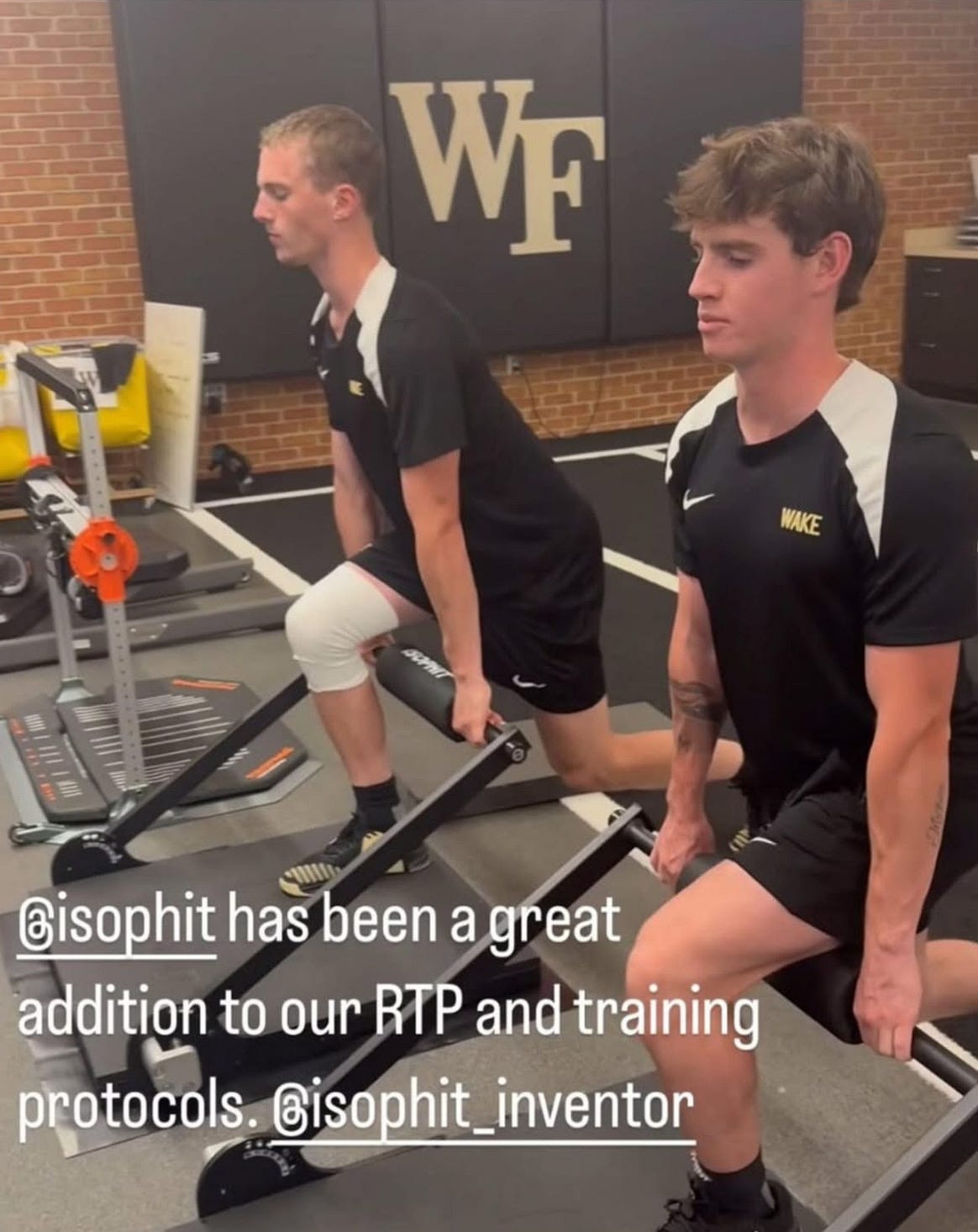
The participants entered these studies with existing tendon pathology. The scientific debate then focused on determining which intervention should be used after the pathology had already developed. Comparatively little attention was devoted to understanding the sequence of events that produced the pathology before treatment was ever required.
Although the specific causes of pathology were not identified for individual participants, many of the tendon sites represented in these studies are commonly associated with dynamic loading environments involving sprinting, jumping, landing, cutting, throwing, and repetitive force transfer. The review included patellar, Achilles, lateral elbow, rotator cuff, wrist extensor, and gluteal tendinopathies — conditions that frequently develop in physically active populations exposed to repeated mechanical loading.
That observation does not establish causation, but it does highlight an important reality: the tendon pathology being discussed was not developing in a vacuum. It emerged within loading environments that deserve at least as much scientific attention as the rehabilitation strategies used afterward.
To be clear, we do not know precisely what caused the tendon pathology in each participant. That uncertainty may be one of the most important observations in the entire discussion. Rehabilitation research spends enormous effort debating how to treat tendinopathy after it appears, while comparatively little attention is devoted to identifying the specific mechanical, physiological, and training factors that caused the tissue to break down in the first place.
Imagine if cardiology focused primarily on comparing treatments for heart attacks while investing comparatively little effort understanding what caused them. Imagine if aviation focused primarily on repairing damaged aircraft while investing comparatively little effort understanding why crashes occurred. Neither field would consider that sufficient because understanding outcomes without understanding causes limits progress.
Yet tendon research often begins after the pathology already exists.
This distinction becomes even more important when viewed through the lens of modern sport. Athletes today exist in training environments that would have been difficult to imagine a generation ago. Many participate simultaneously in school sports, club sports, travel teams, showcases, private coaching, speed development programs, strength training programs, and year-round competition schedules. The cumulative loading exposure can become enormous.
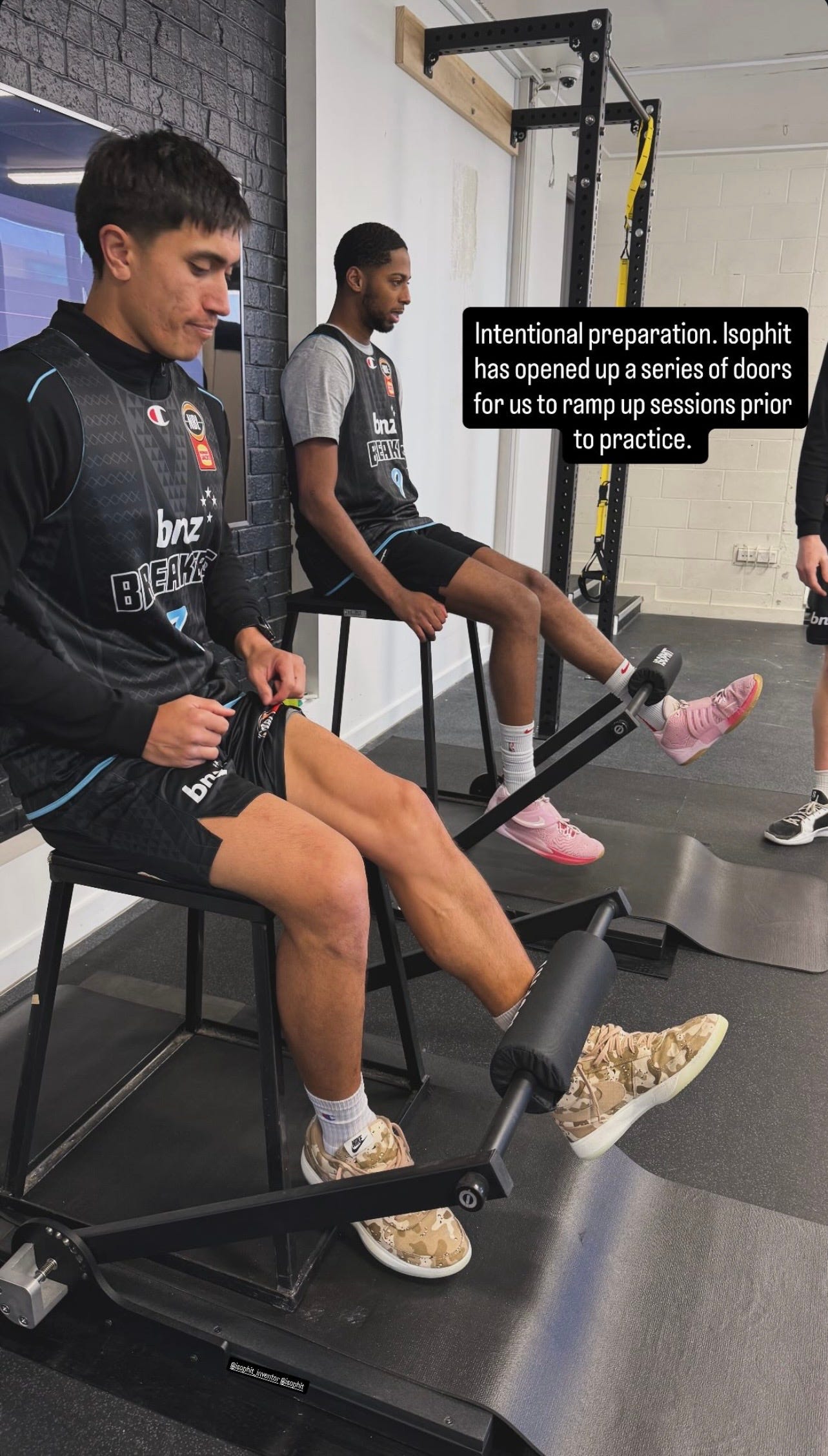
From a first-principles perspective, connective tissue does not care whether force originates from practice, competition, training, or recreation. Tendons experience cumulative loading. They experience recovery. They experience adaptation.
Or they fail to adapt.
The issue may not be movement itself but loading density. Modern athletes are exposed to unprecedented levels of force, repetition, and cumulative loading, often with insufficient recovery to fully adapt between exposures. Modern sport may be exposing connective tissue to loading densities the human tendon system was never evolutionarily prepared to manage.
None of this suggests dynamic training should be abandoned. Dynamic movement is essential to sport. Sprinting, jumping, cutting, throwing, striking, and accelerating are fundamental athletic skills. The more relevant question is whether the rate at which loading exposure is increasing is exceeding the rate at which connective tissue can successfully adapt.
Viewed from that perspective, tendinopathy begins to look less like an isolated injury problem and more like a force-management problem emerging from the interaction between loading exposure, recovery capacity, and tissue adaptation.
Tendons are often discussed as though their primary role is to tolerate force. In reality, they transmit force, redirect force, stabilize movement, and coordinate force transfer throughout the body. Every sprint, landing, cut, jump, and change of direction creates a unique loading environment. Tendons operate within constantly changing combinations of rotational torque, shear forces, multidirectional loading, fatigue accumulation, and rapidly shifting joint positions. The question may not simply be how much force a tendon can tolerate. The question may be how effectively it can manage force over time.
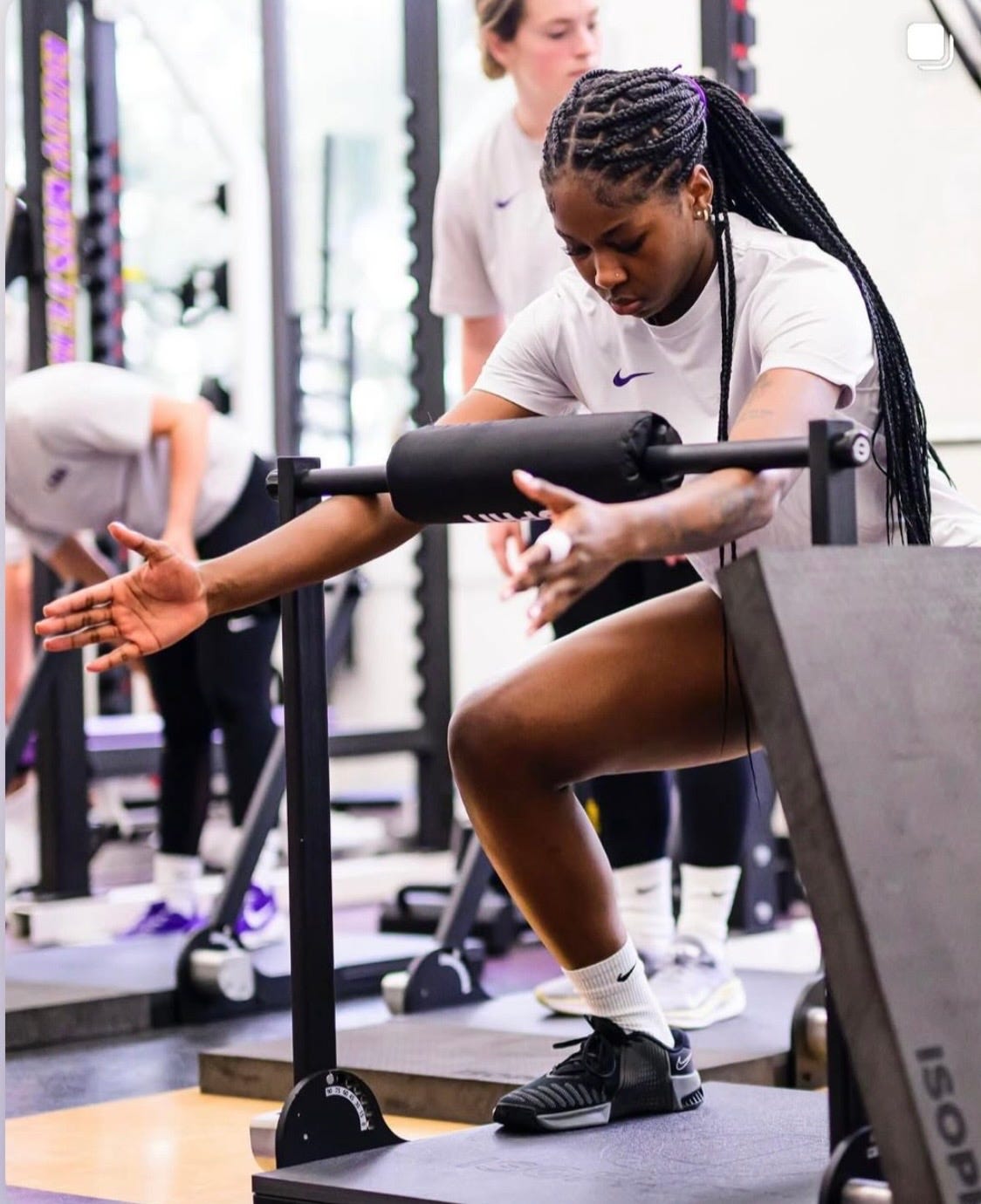
A more mechanistically interesting perspective emerged in the study Scleraxis and collagen I expression increase following pilot isometric loading experiments in a rodent model of patellar tendinopathy.
Importantly, the authors acknowledged that increased training loads related to sprinting, jumping, uphill running, repetitive loading, chronic overload, and overuse correlated with disruption of tendon structure and strongly supported the idea that overuse contributes to the development of tendinopathy.
In other words, the paper began by examining potential causes rather than immediately comparing treatments.
The authors also highlighted a fascinating contradiction. Excessive loading appears to contribute to tendon pathology, yet loading itself is simultaneously prescribed as treatment.
The findings themselves were equally interesting. The authors reported that prolonged isometric loading increased scleraxis and collagen I expression, while dynamic loading increased collagen IIa1 expression.
Those terms may sound technical, but the underlying concept is straightforward. Collagen I is the primary structural collagen associated with healthy tendon tissue. Scleraxis plays a major role in tendon development and organization. Together, they represent biological signals associated with tendon-oriented remodeling. Collagen IIa1 is more closely associated with fibrocartilage-type adaptation, suggesting that tissue may respond differently depending on the loading environment it experiences.
The authors proposed that prolonged isometric loading may help overcome stress shielding. When a tendon is injured, surrounding healthy tissue may absorb a disproportionate amount of force, effectively bypassing the injured region. Over time, the damaged tissue may receive less of the directional tensile loading necessary for remodeling. During prolonged isometric contractions, stress relaxation may allow force to transfer more directly through the injured region, potentially creating a different biological signal for adaptation.
Whether these findings ultimately translate to humans remains to be determined. However, the most interesting aspect of the paper may not be the specific intervention being studied. The most interesting aspect is the question being asked.
Much of tendon research focuses on outcomes. Did pain improve? Did function improve? Was one intervention superior to another? Those questions matter, but they all occur after the pathology already exists.
The second paper takes a step further back. It attempts to understand why tendon tissue responds differently to different loading environments. It explores why biology changes, why tissue adapts the way it does, and why one mechanical environment may produce a different cellular response than another.
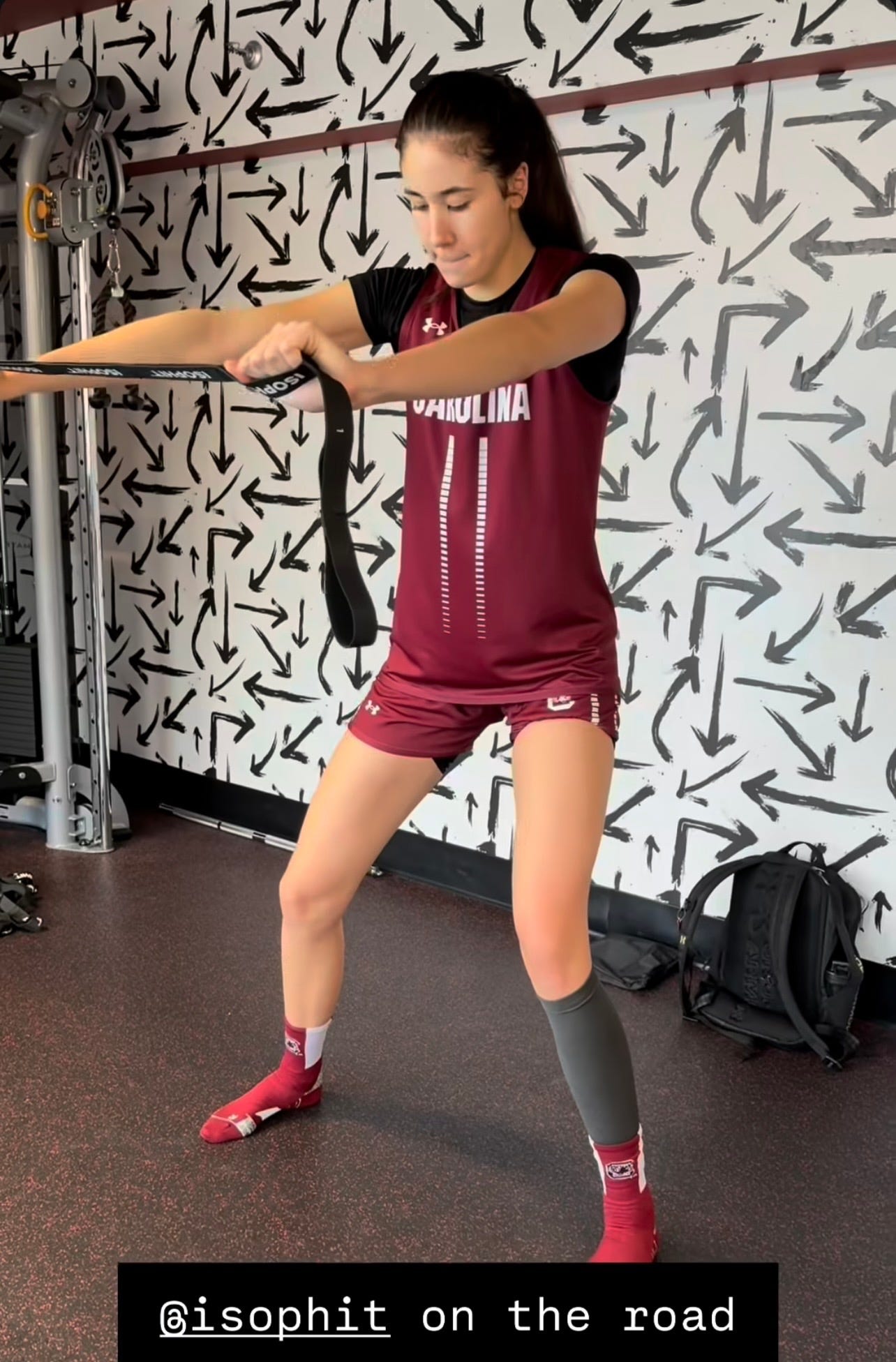
That shift in perspective may ultimately prove more important than determining which rehabilitation protocol wins a comparison study.
Because the future of tendon research may depend less on identifying the best treatment and more on understanding the biological and mechanical processes that lead to tendon adaptation — and eventually tendon pathology — in the first place.
The most interesting question may not be whether isometric exercise is better than eccentric exercise. The most interesting question may not even be how tendons heal. The most important unanswered question may be why tendons are breaking down at such extraordinary rates in the first place.
Until that question is better understood, tendon research may continue refining treatments while still searching for a deeper understanding of the problem those treatments are attempting to solve.
At Isophit, we help the world’s strongest, fastest, and most dominant athletes—and everyday people—win more, hurt less, and age stronger.
Learn more at www.isophit.com.
Knowledge only creates value when it is shared. If this article changed how you think about the topic, consider sharing it with a coach, athlete, clinician, colleague, friend, or family member.