Performance Doesn’t Start with Movement. It Starts with Isometric Force

Tired of recurring injuries, inconsistent performance, or doing everything right and still falling short? You’re not alone—and more importantly, you’re not the problem. The issue is that most training systems focus on what performance looks like, not what it’s built on. The world’s best athletes are shifting toward a different approach—one that starts where performance actually begins.
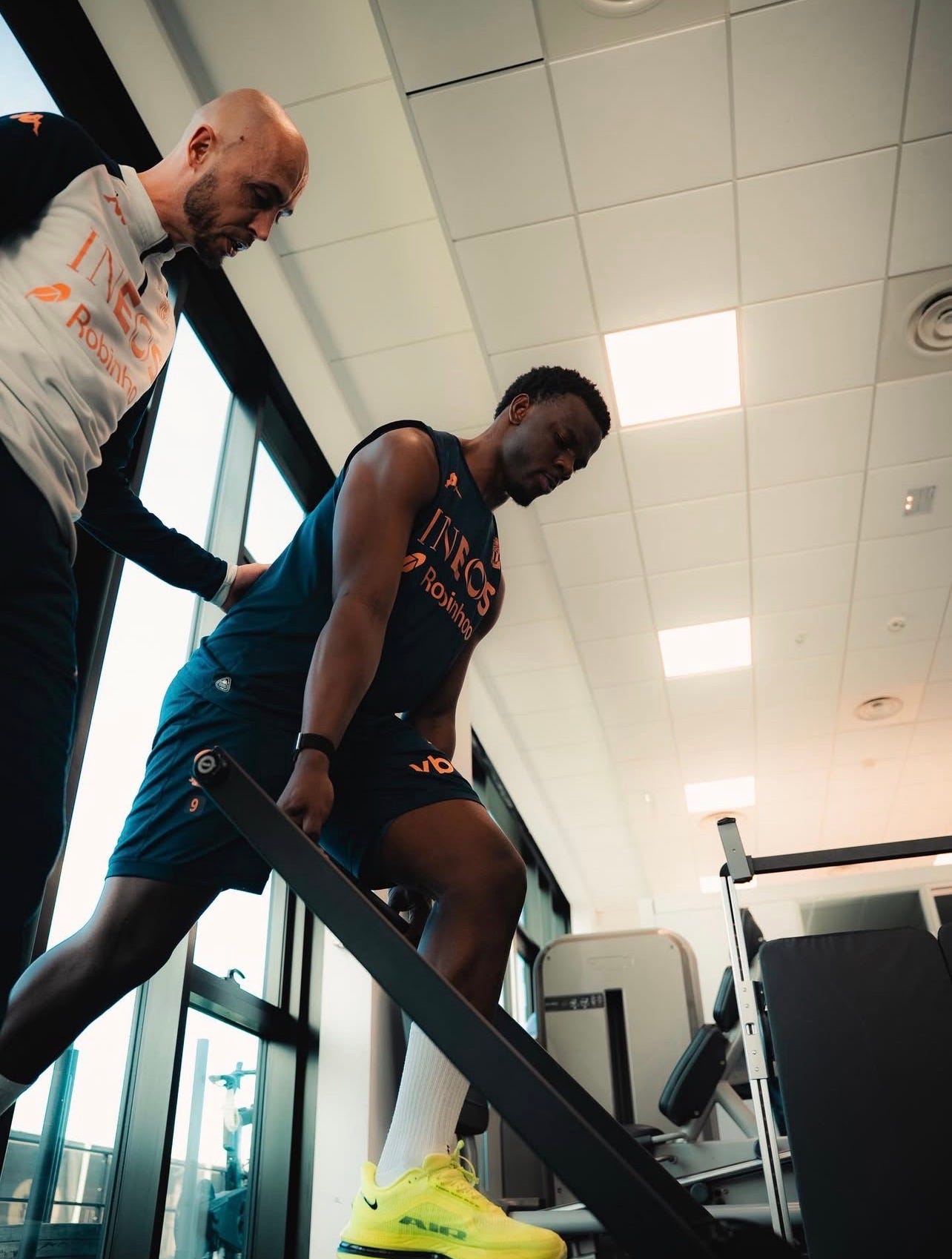
Every movement in sport is initiated isometrically before it is expressed dynamically. Sprinting, cutting, striking, and jumping are not the starting points of performance—they are the outcomes. The starting point is the body’s ability to generate, organize, and direct force isometrically across joints and segments. This is where stability is established, intent is coordinated, and force pathways are defined. When this foundation is underdeveloped, the body does not fail randomly—it compensates predictably. Whole-body isometric training addresses this foundation directly and systematically.
At Isophit, we train athletes to produce and manage force. Performance is built on four intersecting pillars: force generation, force tolerance, force transference, and force expression. These are not isolated qualities. They continuously influence one another in real time. When one is underdeveloped, the entire system is compromised. When all four are trained together, performance becomes more efficient, more repeatable, and more durable.
Force generation is the entry point. It is the ability to produce force at specific joint angles and across integrated segments with precision. Whole-body isometric training enhances motor unit recruitment, firing frequency, and synchronization, allowing athletes to access higher levels of usable force. This is not about producing force in isolation—it is about producing force that can be controlled, directed, and sustained within the system.
Force tolerance determines whether that force can be safely managed. Every deceleration, landing, and change of direction introduces high mechanical demands. If the system cannot tolerate these forces, it redistributes them through compensatory patterns. These patterns are not random—they are the body’s solution to a capacity problem. Isometric training increases tissue tolerance to sustained tension, allowing athletes to remain actively stable under load and reducing reliance on compensation.
Force transference is where coordination defines performance. Force must move through the system in a precise sequence, from the ground through the ankle, knee, hip, and trunk, and into the upper body when required. This process depends on timing, alignment, and segmental contribution. When sequencing is disrupted, force is either lost or concentrated in a single structure. Whole-body isometric training refines this process by reinforcing joint positioning and improving the timing of muscular contributions, allowing force to move efficiently rather than fragment across the system.
Force expression is the visible result. Speed, power, explosiveness, and skill execution are all dependent on how effectively force is generated, tolerated, and transferred. When the preceding pillars are developed, expression becomes more consistent and more repeatable. Athletes are not only capable of producing high outputs, they can reproduce them under fatigue, under pressure, and across an entire season.
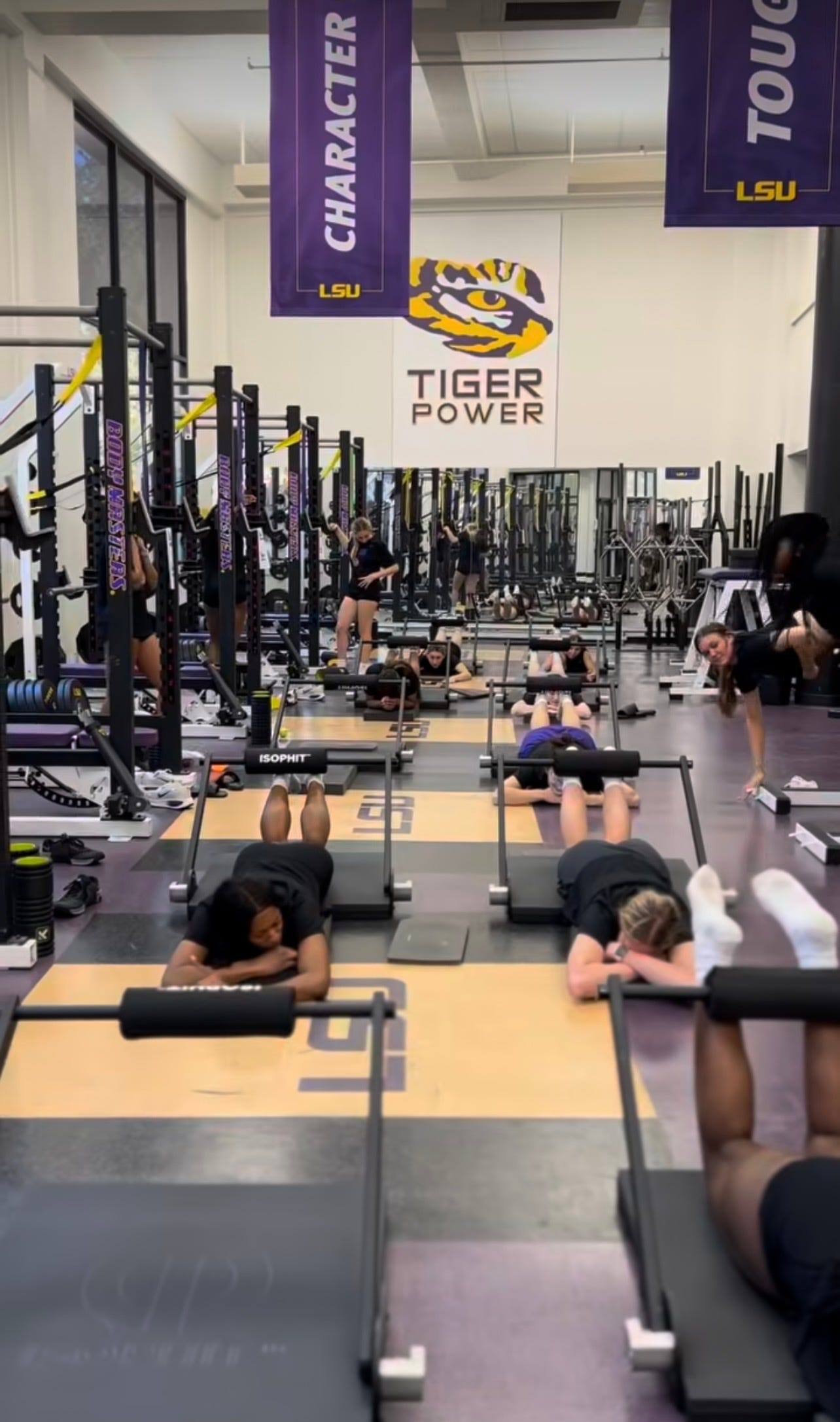
These performance improvements are supported by system-wide adaptations.
Tendon adaptations are central. Isometric loading increases tendon stiffness and load-bearing capacity, improving the efficiency of force transmission from muscle to bone. A stiffer tendon allows for faster and more precise force delivery, reducing energy loss and improving overall mechanical efficiency.
Bone adaptation reinforces the structure. Sustained isometric loading stimulates bone remodeling, increasing density and structural integrity. This is particularly important in high-demand environments where skeletal resilience contributes directly to availability. Stronger bone also equates to a more stable structure to anchor from—one that allows force to be expressed with greater precision and less energy loss.
Muscle adaptations extend beyond size. Isometric training improves intramuscular coordination and the ability to sustain tension over time. The result is a higher quality contraction—one that is more controlled, more efficient, and better integrated with surrounding tissues.
Cardiovascular adaptations support both performance and recovery. Isometric training improves vascular function by enhancing arterial compliance and promoting vascular remodeling, allowing for more efficient blood flow, reduced resistance, improved muscle oxygenation (SmO₂), and more effective carbon dioxide clearance—supporting faster recovery and more consistent performance across repeated efforts.
Neurologically, the changes are foundational. Whole-body isometric training enhances feedforward control, improving the body’s ability to anticipate and prepare for movement demands. It refines motor planning and strengthens anticipatory stabilization strategies, ensuring that joints are supported before force is expressed. This is where coordination is established—not during movement, but before it.
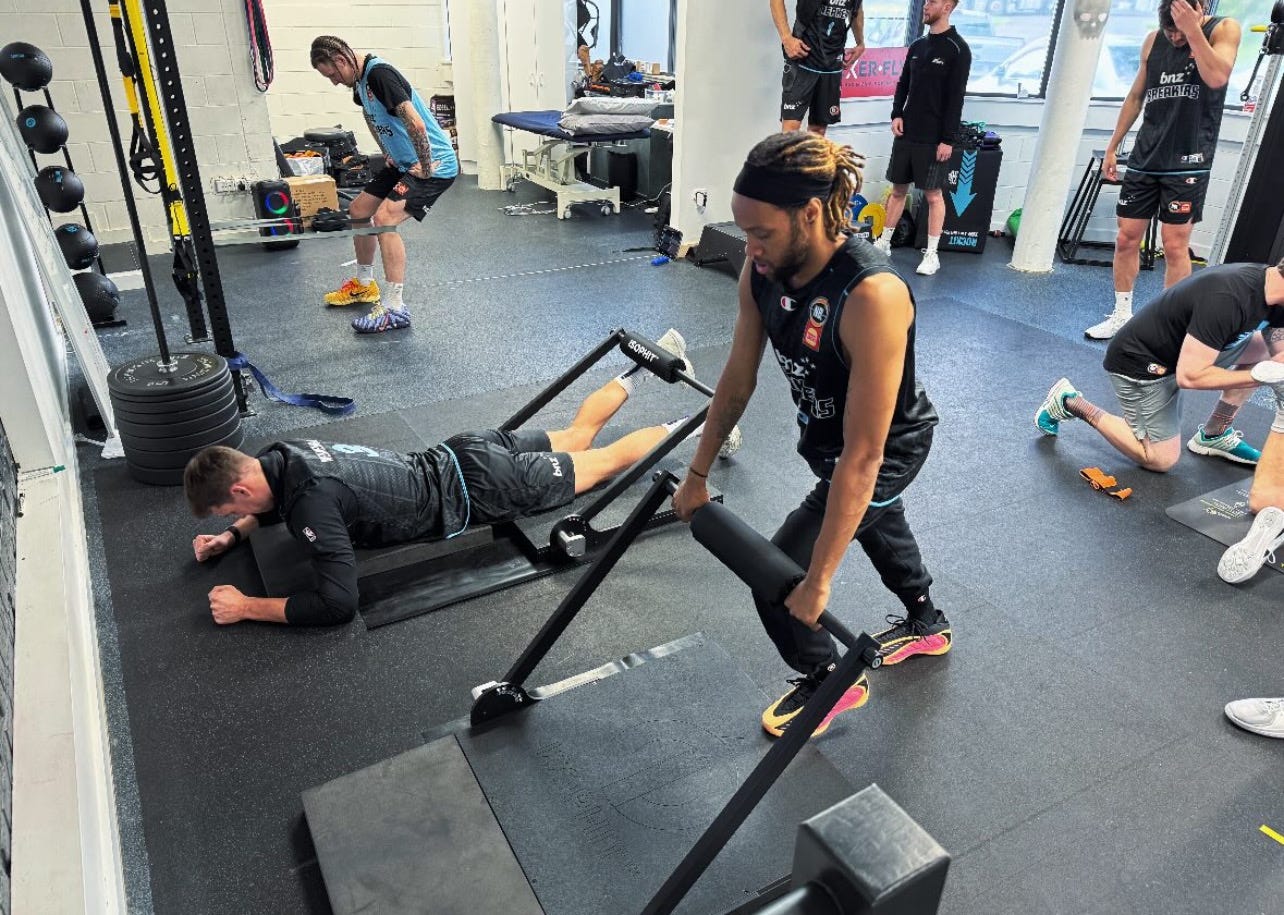
To fully develop these qualities, isometric training must be applied consistently. Training six days per week provides repeated exposure without excessive mechanical fatigue. Because isometric training produces high neural demand with relatively low structural disruption, it allows athletes to build capacity daily. This frequency is not excessive—it is necessary to continually reinforce force generation, force tolerance, force transference, and force expression.
This is where Isophit changes the game.
Isophit’s Force Matching Technology matches the users force in real time. This allows athletes to train at their true capacity while maintaining safe, stable joint positions. It enables simultaneous development of all four intersecting pillars—force generation, force tolerance, force transference, and force expression—within a single system. It provides a consistent, repeatable method to improve how the body produces and manages force—without unnecessary fatigue or guesswork.
At Isophit, we help the world’s strongest, fastest, and most dominant athletes—and everyday people—to win more, hurt less, and age stronger.
Learn more at www.isophit.com