Olympic Lifting Changed Sports Performance Forever — But It May No Longer Be the Only Path

Few training methods have influenced modern sports performance more than Olympic weightlifting. The clean, jerk, snatch, and their countless variations have become deeply embedded within strength and conditioning culture across football, basketball, hockey, rugby, track and field, volleyball, combat sports, and countless other athletic environments. From collegiate weight rooms to Olympic training centers, the explosive nature of Olympic lifting has long been viewed as one of the gold standards for developing athleticism.
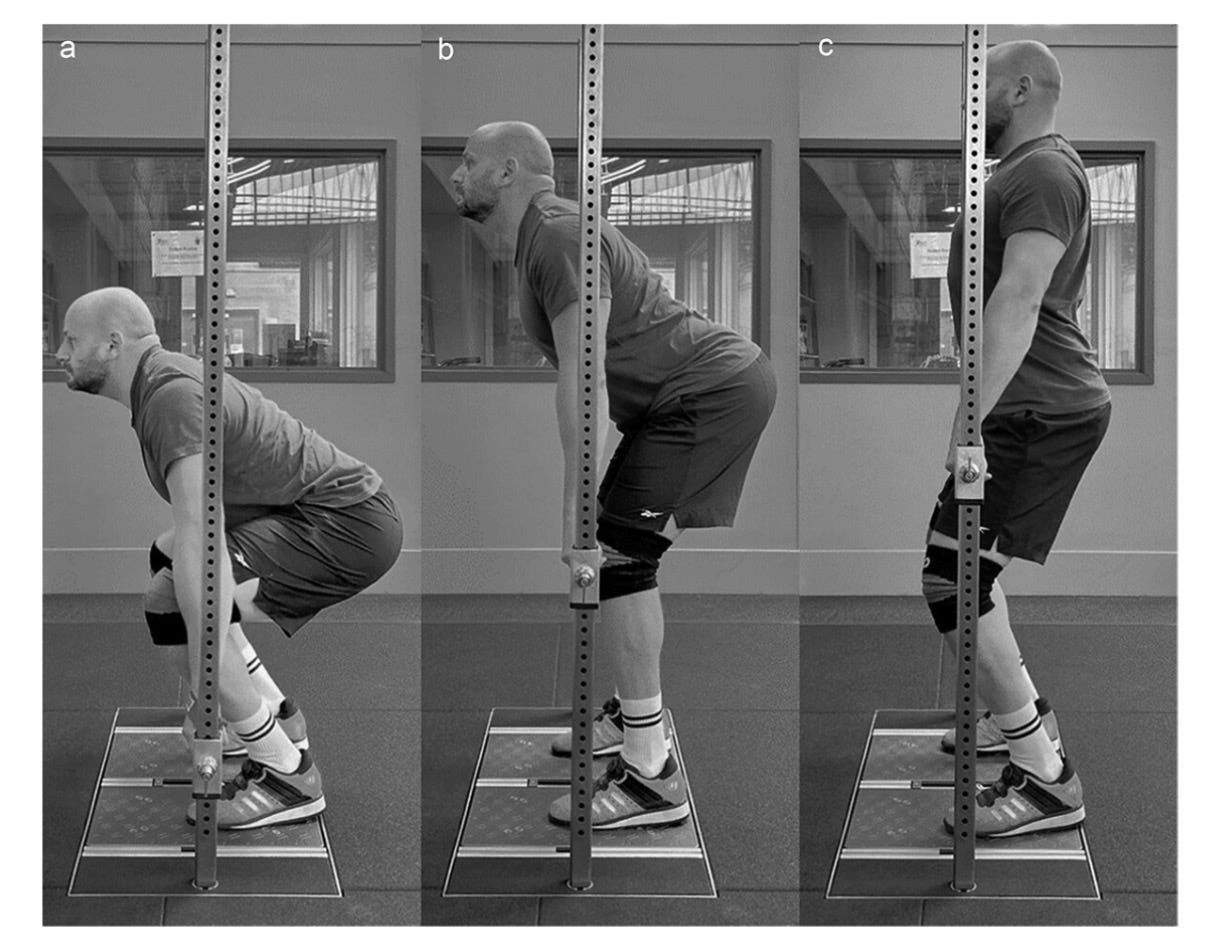
Olympic lifting develops an athlete’s ability to rapidly generate force. It challenges the neuromuscular system to coordinate high levels of muscular recruitment under speed, timing, stiffness, stability, and positional demands. The lifts require athletes to create tremendous amounts of force against the ground while transferring energy through the entire kinetic chain. As a result, Olympic lifting has historically been associated with improvements in sprinting, jumping, change of direction, and overall explosive performance.
This is precisely why Olympic lifting became so attractive to strength and conditioning coaches in the first place.
The problem is not whether Olympic lifting works.
The problem is that Olympic lifting is extraordinarily difficult to teach well.
High-level Olympic lifting is not simply “lifting weights fast.” It is a highly technical sport skill requiring years of deliberate practice to master. Mobility restrictions, technical timing, bar path precision, positional awareness, ankle stiffness, thoracic extension, shoulder mobility, trunk stability, and coordination all influence execution quality. Even minor technical errors can dramatically alter the efficiency and safety of the movement.
That creates a major challenge inside modern sports performance environments.
Most athletes are not Olympic weightlifters.
They are basketball players, soccer players, baseball players, tennis players, football players, fighters, and tactical operators who already spend enormous amounts of time practicing their actual sport. Strength coaches are often forced to dedicate significant training time toward teaching the mechanics of Olympic lifting before athletes can meaningfully access the physical qualities the lifts are supposed to develop.
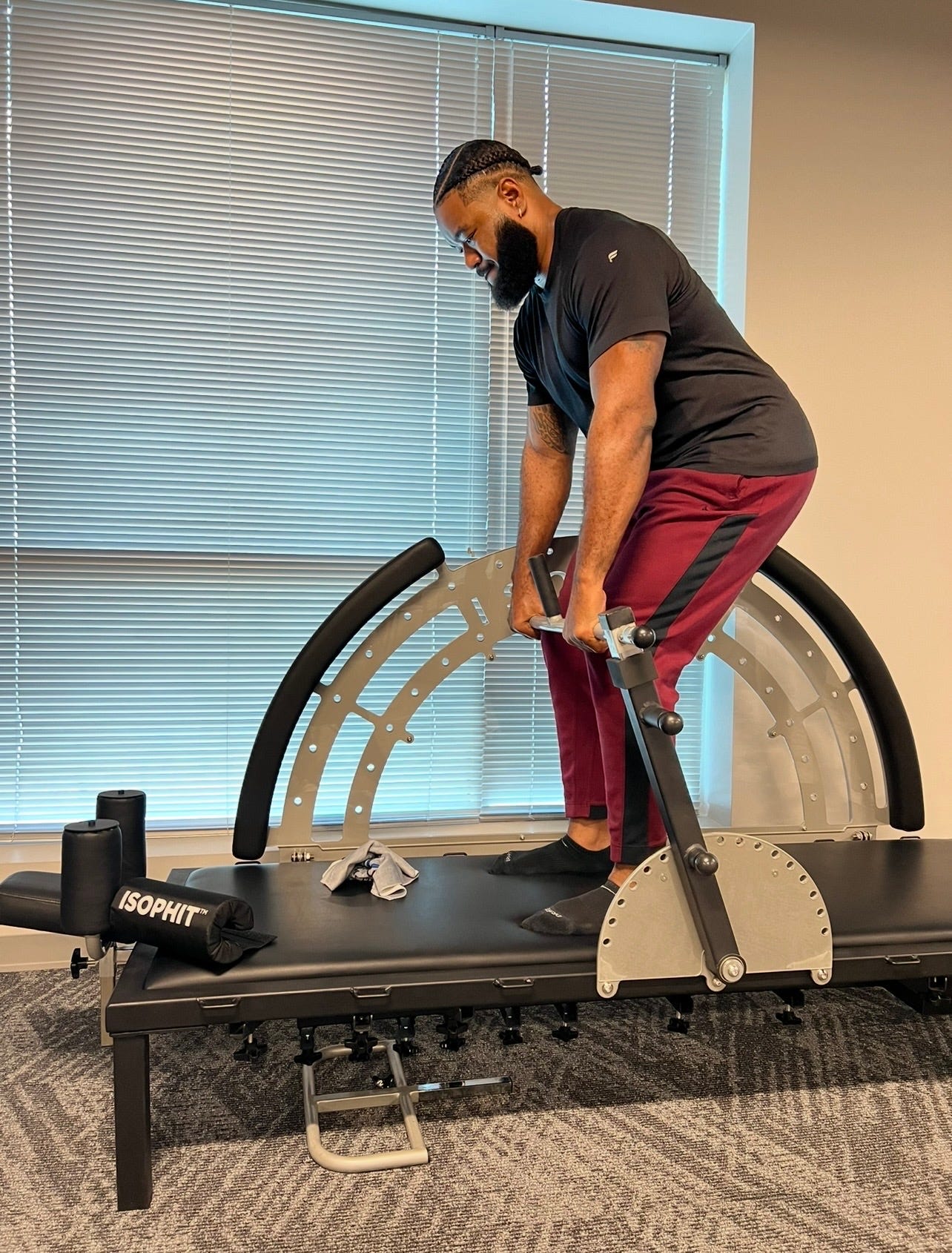
In many environments, the technical barrier becomes the bottleneck.
This is where the conversation becomes interesting.
Because when researchers examine Olympic lifting more closely, one of the key underlying drivers of success repeatedly emerges: isometric force development.
The ability to rapidly generate and tolerate force against an immovable or near-immovable position plays a massive role throughout Olympic lifting mechanics. During the first pull, transition phase, and explosive second pull, athletes must create extraordinary levels of tension and stiffness throughout the body to efficiently transfer force into the barbell. Recent research examining maximal isometric force during Olympic lifting phases further reinforces the importance of isometric force capabilities throughout the lifts.
In many ways, Olympic lifting is an expression of high-level isometric force organization under dynamic conditions.
That matters.
Because it raises an important question for modern strength and conditioning:
If isometric force development is one of the foundational qualities underpinning Olympic lifting success, do coaches always need to teach the full technical complexity of Olympic lifting to improve athletic performance?
Or can coaches directly target the underlying performance qualities themselves?
This is where sports performance may be evolving.
The reality is that many coaches are beginning to recognize that the qualities they truly want from Olympic lifting are not necessarily the lifts themselves. They want greater rate of force development. They want improved force transmission. They want enhanced stiffness, coordination, trunk stability, lower-body force expression, and whole-body tension strategies. They want athletes who can rapidly organize force under pressure.
Those are the transferable qualities.
And importantly, those qualities can be trained directly through properly designed isometric force development systems.
This does not diminish Olympic lifting.
Olympic lifting remains one of the greatest expressions of coordinated human power ever developed. It deserves enormous respect for the role it has played in sports performance history. Coaches who teach it well provide tremendous value to athletes.
But modern sports performance must also recognize reality.
Teaching Olympic lifting at a high level takes years.
Many athletes lack the mobility, time, coordination, or technical foundation required to fully exploit the lifts. In team sport settings with large rosters, limited staffing, and condensed training windows, coaches are increasingly forced to ask whether the risk-to-reward ratio always justifies the investment.
Especially when the underlying performance qualities may be accessible through lower-skill, lower-risk training strategies.
This may explain why interest in isometric force development continues to accelerate throughout elite sport.
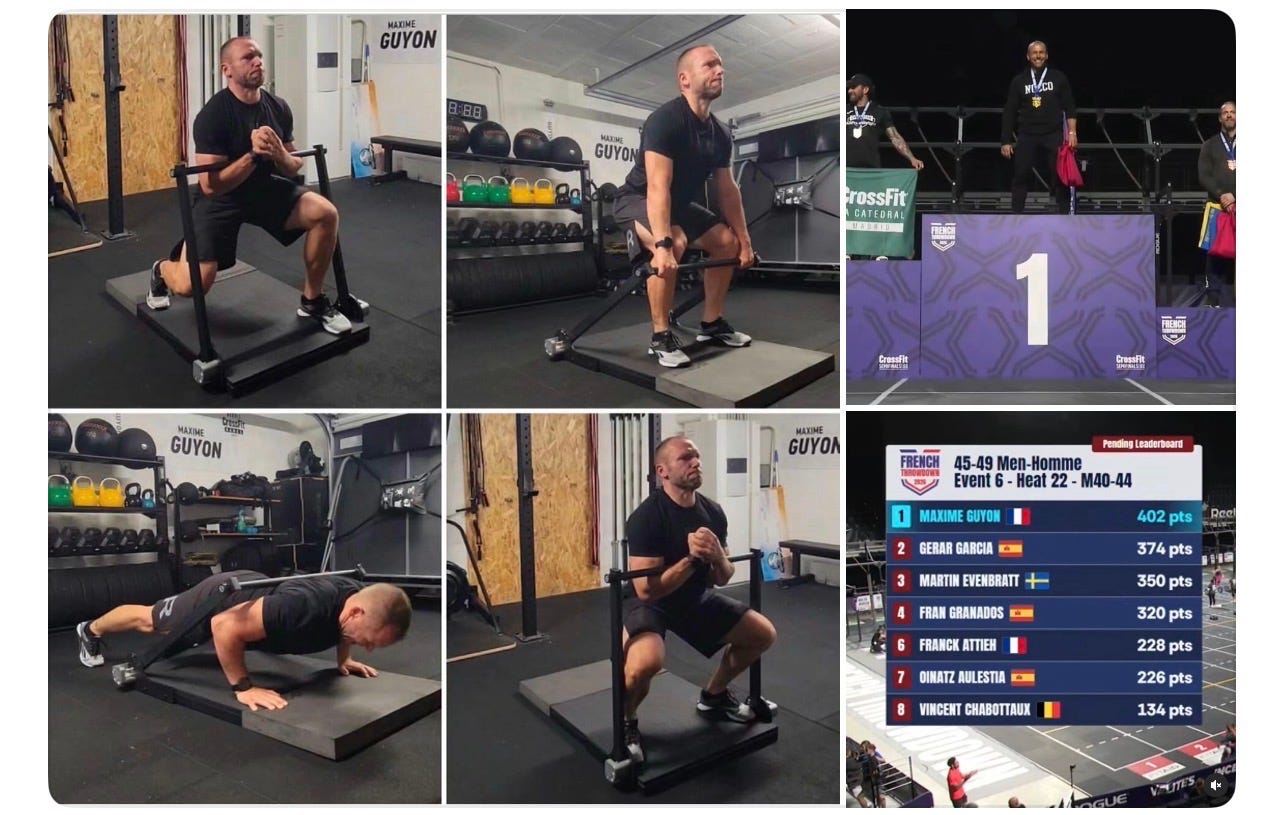
Isometric training allows coaches to directly target force production, force tolerance, force transfer, trunk stiffness, tendon loading, positional integrity, and rapid neuromuscular recruitment without requiring athletes to spend years mastering highly technical barbell skills. It dramatically reduces the technical learning curve while still attacking many of the same foundational performance characteristics that made Olympic lifting so valuable in the first place.
The future of sports performance may not be about replacing Olympic lifting.
It may be about understanding why Olympic lifting worked so well to begin with. And increasingly, the answer appears to point back toward isometric force development.
At Isophit, we help the world’s strongest, fastest, and most dominant athletes—and everyday people—to win more, hurt less, and age stronger.
Learn more at www.isophit.com