How Isometric Training Enhances Change of Direction in Sport

Change of direction is often treated as a speed quality, but in practice it is a force management problem. Every cut, pivot, and redirection follows a consistent sequence in which momentum must be reduced until velocity reaches zero, after which force must be reapplied in a new direction. The outcome of this sequence is determined at the precise moment where motion stops and transitions, and that moment is governed by isometric force production.
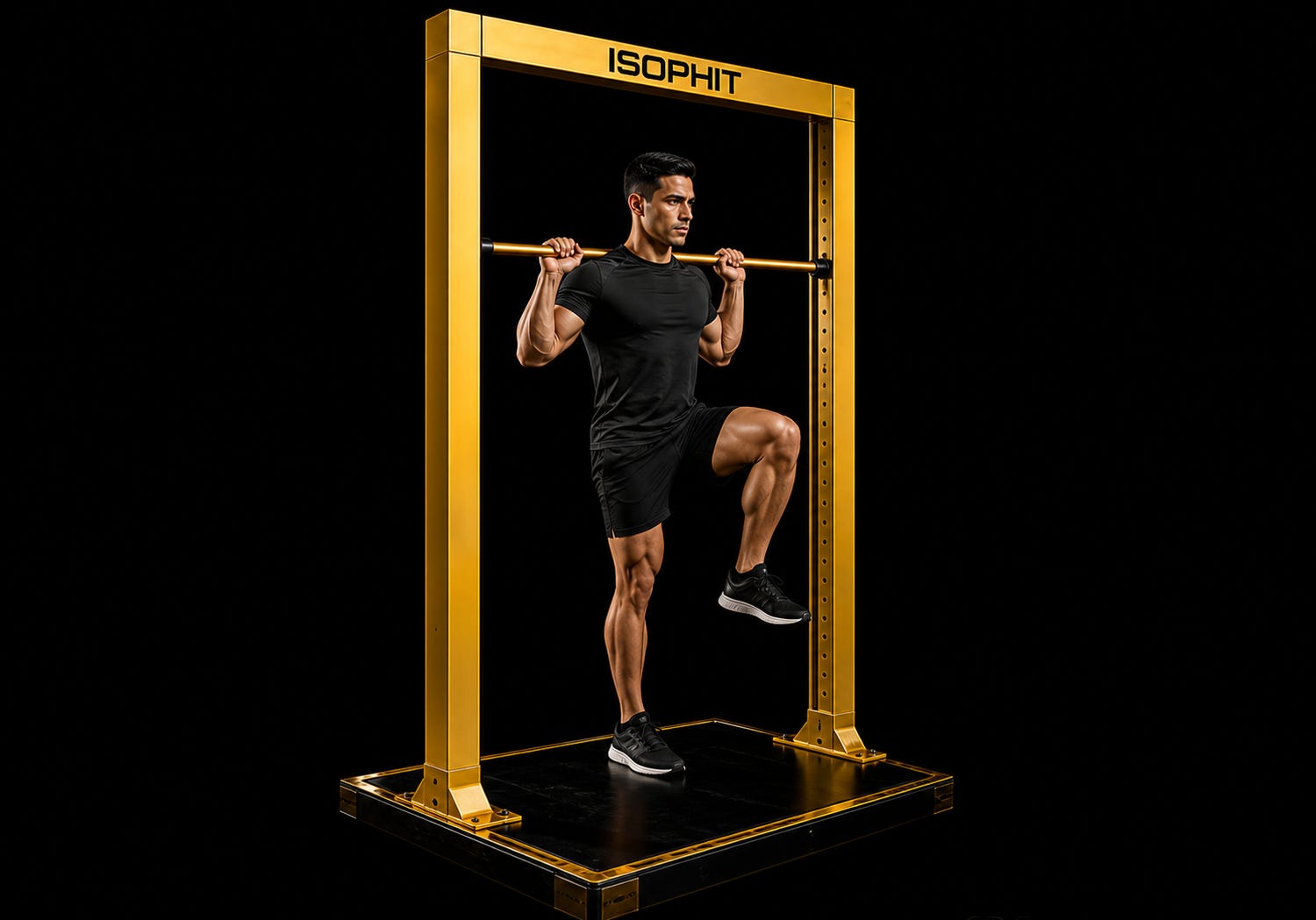
This moment is not isolated to a single joint or segment. It occurs across every joint in the body, simultaneously, regardless of how brief that instant may be. The ankle, knee, hip, spine, and upper body must coordinate to produce and manage force isometrically as the system reorganizes itself. Some joints are required to produce force dynamically to initiate the next movement, while others are working isometrically to resist deformation and transfer force efficiently. Change of direction is therefore a coordinated full-body event, not a single-joint action.
This is where many training systems fall short, because athletes are typically developed to produce force dynamically but are rarely prepared to manage force isometrically. The demands of sport do not disappear at the point of transition; instead, they intensify. If an athlete cannot control force in this state, they lose time, lose position, or expose themselves to unnecessary risk.
In high-level sport, the deceleration phase acts as the gatekeeper to effective change of direction. Before an athlete can accelerate into a new path, they must absorb and organize the forces associated with braking. These forces are substantial, often reaching several times body weight, and they occur within extremely short time frames. As approach velocity increases, so does the magnitude of force that must be managed. If the athlete cannot tolerate and coordinate these forces across the entire system, the movement breaks down.
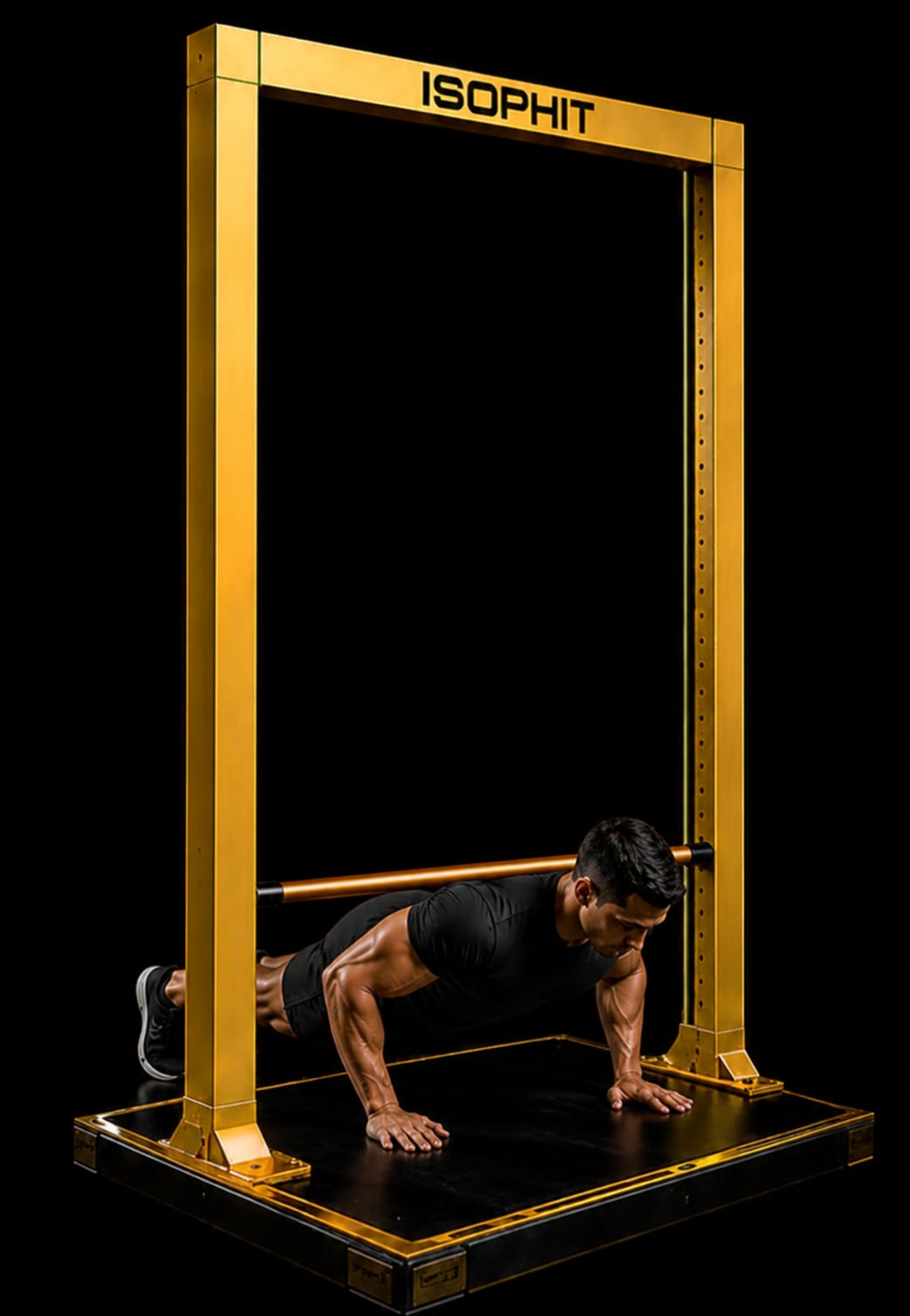
Isometric training directly addresses this demand by developing force production isometrically in positions that replicate the mechanics of deceleration. This approach shifts the focus from general strength development to position-specific force production, where athletes build the capacity to generate high levels of tension in the exact joint angles and postures that define braking and redirection. At the same time, they develop the ability to stabilize adjacent joints isometrically so that force can be transferred efficiently through the system.
Recent research provides strong support for this approach. Deceleration-specific isometric exercises have been shown to significantly improve change of direction performance, with the most meaningful improvements occurring several minutes after activation. More importantly, isometric training that targets early deceleration positions—where velocity is highest and forces are greatest—produces superior outcomes compared to later-phase positions. This highlights a critical principle, which is that the ability to produce force early in the braking phase reduces both the time and distance required to decelerate, ultimately improving the speed of transition into the next movement.
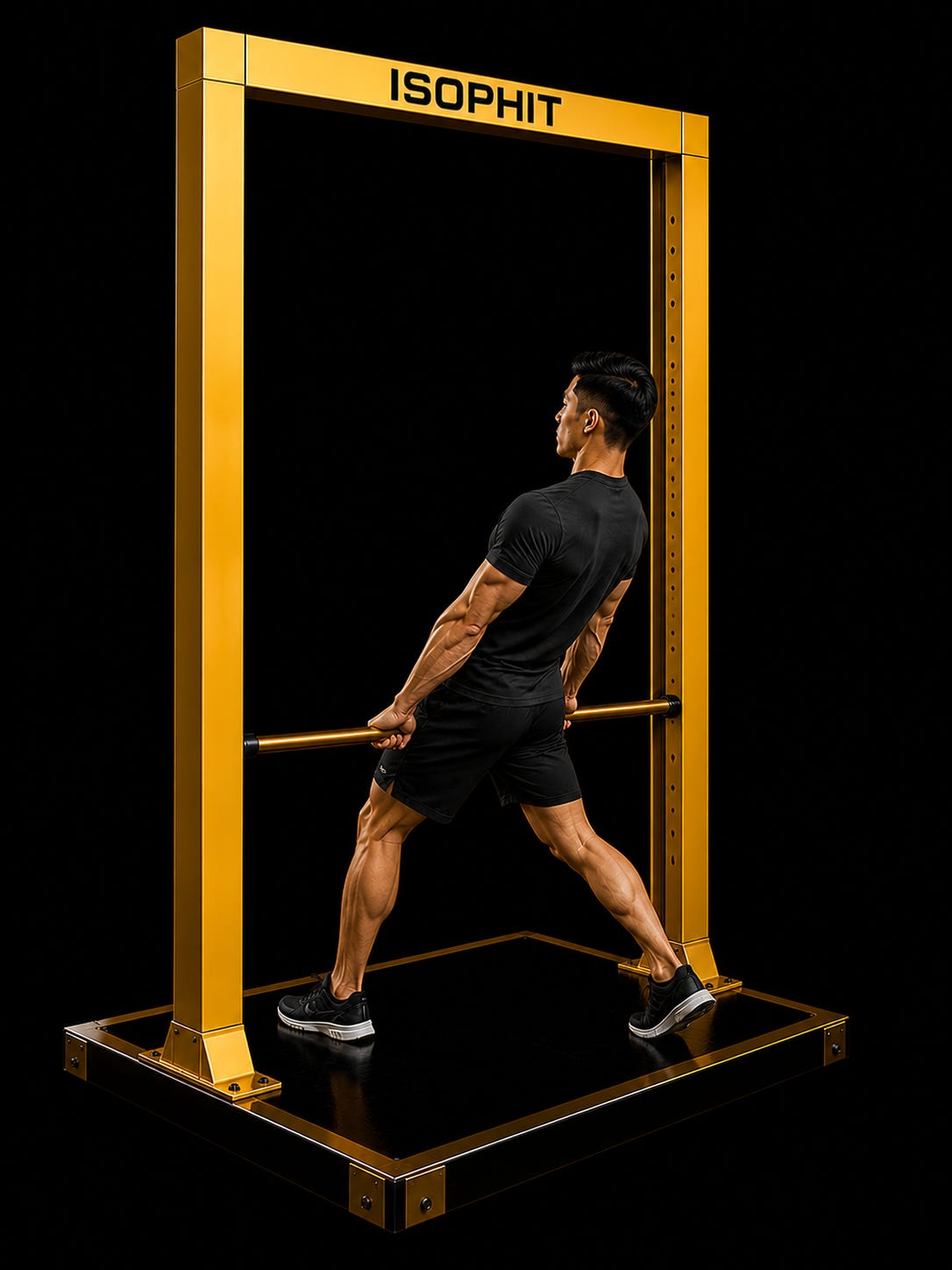
In addition to positional strength, isometric training enhances neuromuscular readiness in ways that directly transfer to performance. High-intensity isometric contractions increase motor unit recruitment and improve the rate of force development, which contributes to a potentiation effect that enhances subsequent explosive actions. When programmed appropriately, this allows athletes to generate higher levels of force more rapidly during change of direction tasks.
Another essential component of change of direction is force tolerance, which is often overlooked in traditional training models. Many athletes are conditioned to produce force but are not adequately prepared to absorb it. This imbalance is a major contributor to the rise in non-contact injuries across sport, particularly those involving the ACL and Achilles tendon. These injuries frequently occur during deceleration, when the system is unable to manage the imposed load across multiple joints simultaneously.
Isometric training helps close this gap by exposing athletes to high levels of force in controlled positions where joints must resist deformation while maintaining alignment. This type of loading develops the ability to accept force, distribute it across the system, and redirect it efficiently. The result is not only improved performance, but also increased durability under the exact conditions that define competitive sport.
The relationship between isometric training and change of direction can be understood through four key performance qualities. Force generation allows the athlete to create the braking forces required to reduce momentum. Force tolerance ensures that these forces can be absorbed without breakdown. Force transference enables the efficient movement of force through the body during the transition phase. Force expression determines how quickly and effectively that force can be reapplied into a new direction. Change of direction is the integration of these qualities across the entire system.
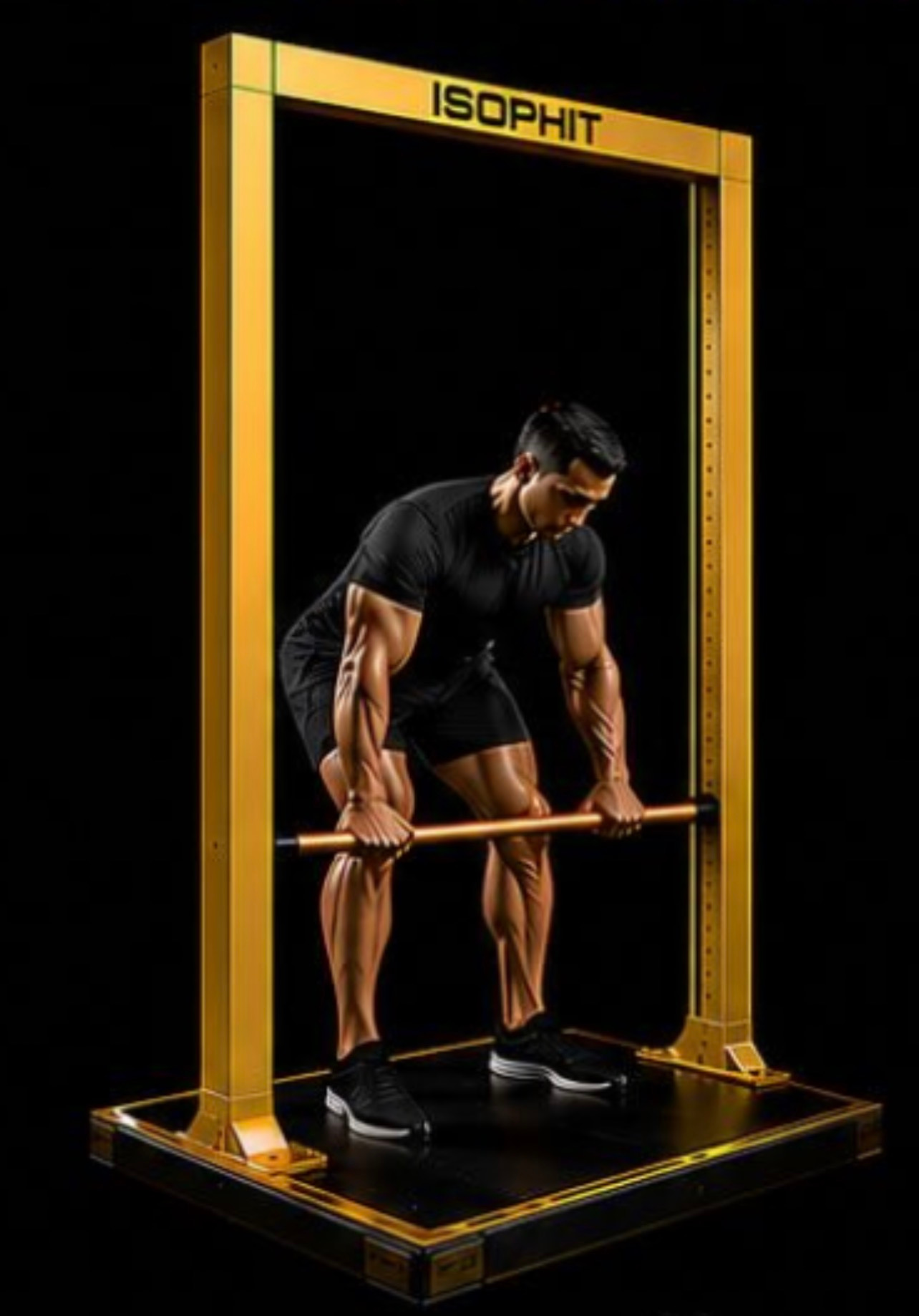
From a programming standpoint, isometric training offers a practical advantage because it produces high levels of neural activation with relatively low fatigue. This makes it highly effective not only within structured training sessions, but also as part of pre-competition preparation. When applied strategically, it can create a potentiation effect that allows athletes to enter competition prepared to brake faster, reposition more efficiently, and re-accelerate with intent.
Change of direction is ultimately defined by control at the moment where velocity reaches zero. The athlete who performs at the highest level is not simply the one who moves fastest, but the one who can eliminate momentum, stabilize the entire system isometrically, and reapply force more effectively than their opponent.
At Isophit, we help the world’s strongest, fastest, and most dominant athletes—and everyday people—to win more, hurt less, and age stronger.
Learn more at www.isophit.com