
Hip Replacement Recovery — Research Shows Early Isometric Strength Exercise Accelerates and Improves Outcomes

Osteoarthritis is one of the most common and disabling musculoskeletal conditions in the world. Current estimates suggest that nearly 600 million people globally live with osteoarthritis, and the number continues to rise as populations age. For many patients with advanced disease affecting the hip joint, total hip replacement becomes the definitive treatment. Hip arthroplasty is widely considered one of the most successful procedures in modern orthopedic medicine, capable of restoring mobility, reducing pain, and dramatically improving quality of life. But while the surgery replaces the joint, the recovery process ultimately determines how well patients regain strength and function.
Many patients assume rehabilitation simply involves rest, short walks, and gradual increases in activity. In reality, the body begins losing strength almost immediately after surgery. Muscle activation declines, swelling interferes with neuromuscular signaling, and inflammation spreads through the surrounding tissues. If the muscles around the new hip remain insufficiently active during this early phase, weakness and neuromuscular inhibition can develop rapidly. The central challenge of rehabilitation is clear: the joint must heal, but the muscles surrounding it cannot be allowed to shut down.
This is where isometric strength exercise becomes critically important. It allows patients to generate muscular force while minimizing shear forces, rapid accelerations, and large joint excursions during early recovery.
Recent research examining early rehabilitation following total hip arthroplasty helps clarify why this matters. Both groups in the study performed isometric exercises. The comparison was not between isometric exercise and no exercise. Instead, researchers compared a standard early rehabilitation protocol using shorter, lower-intensity isometric work with a more intensive and progressively loaded isometric strength exercise protocol.
That distinction is important. The study does not simply show that isometric exercise has value after hip replacement. It shows that a progressive and higher-volume isometric strength exercise strategy may produce superior early rehabilitation outcomes compared with a lower-dose prototype approach.
One of the primary outcomes examined was the body’s inflammatory response after surgery. Surgical trauma naturally triggers systemic inflammation as part of the repair process. While this inflammatory phase is necessary for healing, prolonged inflammatory signaling can delay tissue recovery and impair functional restoration.
Researchers measured several inflammatory cytokines in the blood, including interleukin-6, interleukin-8, and interleukin-1β. These molecules play central roles in regulating the inflammatory response. Immediately after surgery, both groups showed substantial elevations in these markers, which is expected after a major orthopedic procedure. However, the patients performing the more intensive isometric strength exercise protocol demonstrated a faster return of these cytokines to normal levels.
By the end of the early rehabilitation period, patients in the progressive exercise protocol showed a more favourable inflammatory profile than those in the prototype group. Statistical analysis confirmed that this difference between the groups was significant. In practical terms, the more intensive and progressively loaded isometric strength exercise program performed during early rehabilitation accelerated the resolution of post-surgical inflammation and improved the biological conditions associated with recovery.
The structure of the protocol helps explain these findings. The proposed method did not rely on brief, low-dose contractions alone. Instead, it progressively increased contraction duration over the two-week rehabilitation period. Exercises were introduced for multiple muscle groups, including the glutes, hamstrings, and anterior thigh musculature of the operated limb, while additional exercises were added for the non-operated limb. Contraction durations were gradually extended from short contractions to sustained efforts lasting up to two minutes in some exercises. The result was a greater overall volume of isometric work applied safely within the constraints of early postoperative rehabilitation.
The investigators also examined biological changes within the muscle tissue surrounding the surgical site. Through transcriptomic analysis of biopsies taken from the rectus femoris of the operated leg, they evaluated how gene expression patterns evolved during recovery.
Immediately after surgery, both groups showed gene activity consistent with immune activation and inflammatory signaling. This was expected, as surgical trauma initiates a biological repair response. Twelve days later, however, the groups diverged.
In the group performing the progressive isometric strength exercise protocol, inflammatory gene activity had largely resolved. In the standard rehabilitation group, inflammatory pathways remained active. At the same time, the experimental group demonstrated greater activation of genes associated with angiogenesis, lymphangiogenesis, and vascular regulation. These processes are fundamental to tissue repair. Angiogenesis supports the formation of new blood vessels that deliver oxygen and nutrients to healing tissues. Lymphangiogenesis contributes to immune regulation and fluid balance within the recovering area. Improved vascular signaling enhances the biological environment surrounding the operated joint and supports tissue regeneration.
Interestingly, several commonly monitored markers of muscle trauma did not clearly distinguish the effectiveness of the rehabilitation approaches. Indicators such as myoglobin and creatine phosphokinase returned toward baseline in both groups within similar timeframes. This highlights an important limitation of relying solely on traditional laboratory markers when evaluating early rehabilitation strategies. In contrast, inflammatory cytokines and gene-expression patterns provided clearer insight into how the body was responding to different rehabilitation protocols.
For patients recovering from hip replacement surgery, the implications are straightforward.
Early isometric strength exercise is critical.
Delaying muscular activation around the hip allows weakness and neuromuscular inhibition to develop quickly. At the same time, aggressive dynamic exercise is not appropriate immediately after surgery because the joint and surrounding tissues must stabilize and adapt to the prosthetic components.
Progressive isometric strength exercise provides a practical solution to this challenge. It allows patients to activate key muscle groups, stimulate circulation, and maintain neuromuscular engagement without placing excessive mechanical stress on the healing joint. Importantly, this research suggests that the dose and progression of isometric exercise matter. Brief or minimal activity may not be sufficient. A structured program with longer contractions, greater total volume, and involvement of multiple muscle groups appears to produce more favourable early biological responses.
For this reason, patients recovering from hip replacement surgery should feel comfortable asking their physiotherapist whether progressive isometric strength exercise is included in their early rehabilitation program. The evidence suggests that early rehabilitation may be improved not simply by including isometric exercise, but by applying it with sufficient structure, progression, and intent.
Hip replacement surgery restores the joint, but rehabilitation restores the person. The recovery process begins immediately after the operation, and the muscles surrounding the new hip must participate in that process from the very beginning.
When movement must be limited, progressive isometric strength exercise becomes one of the most powerful tools available to accelerate recovery and improve outcomes after hip replacement surgery.
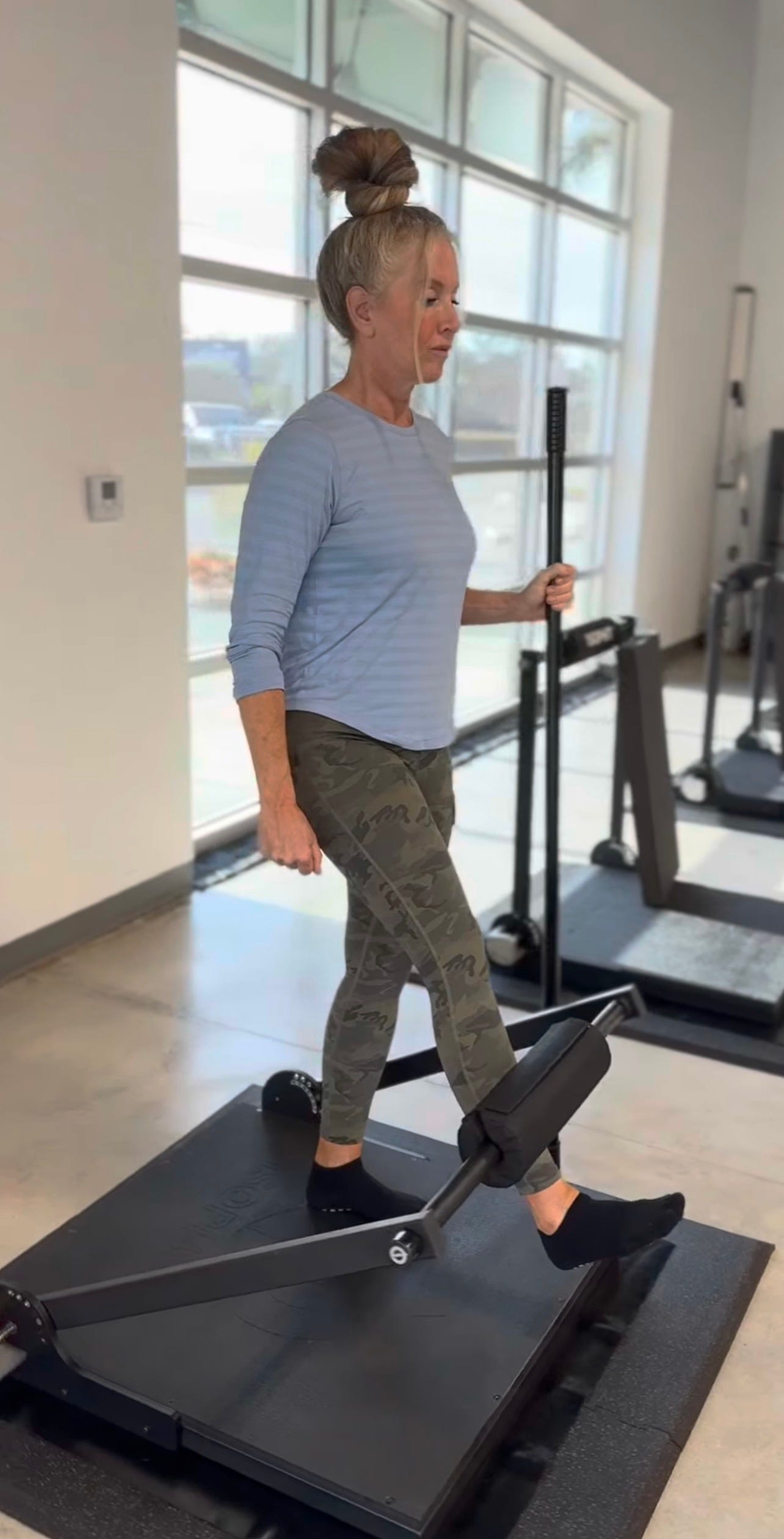
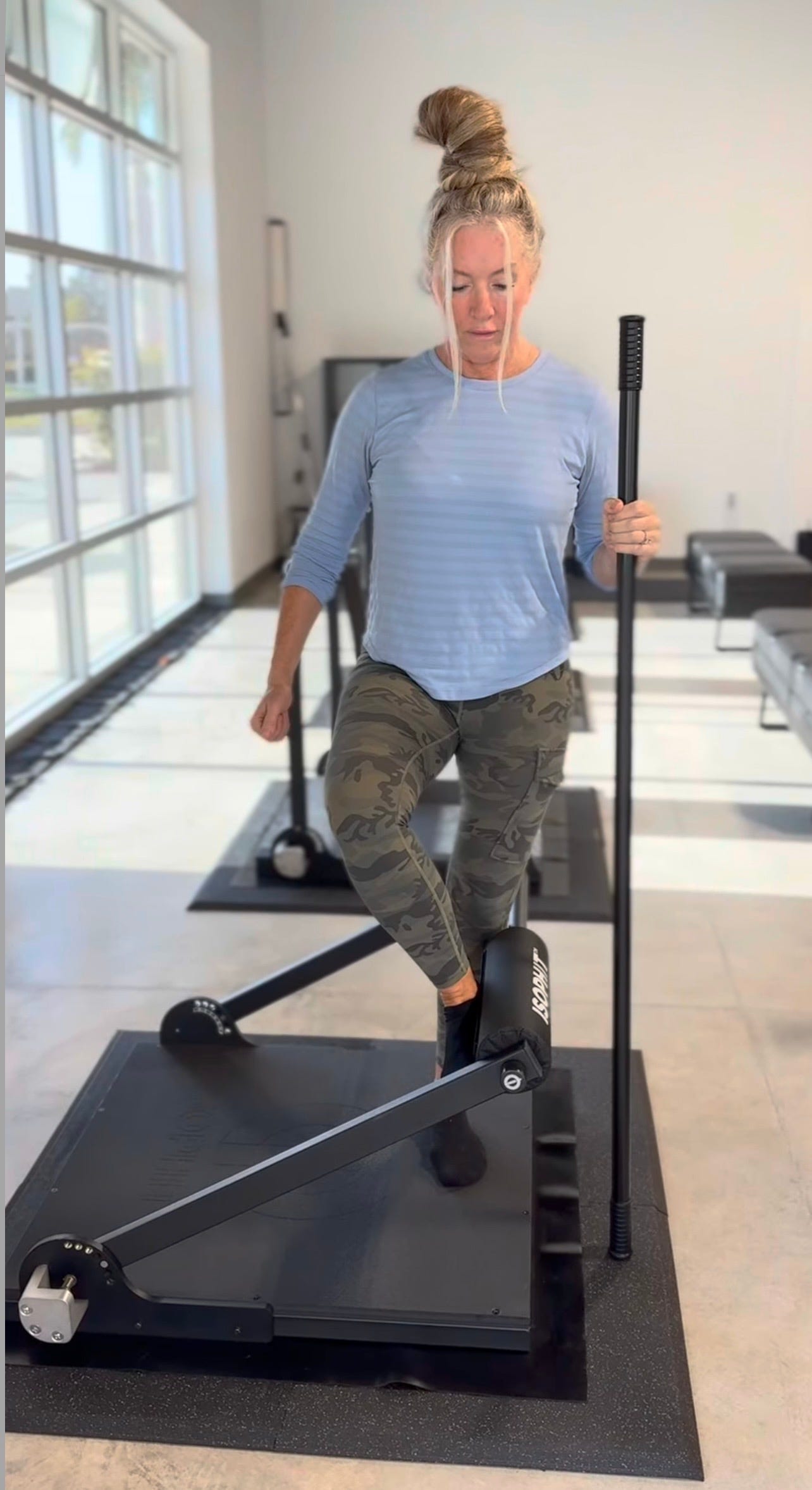
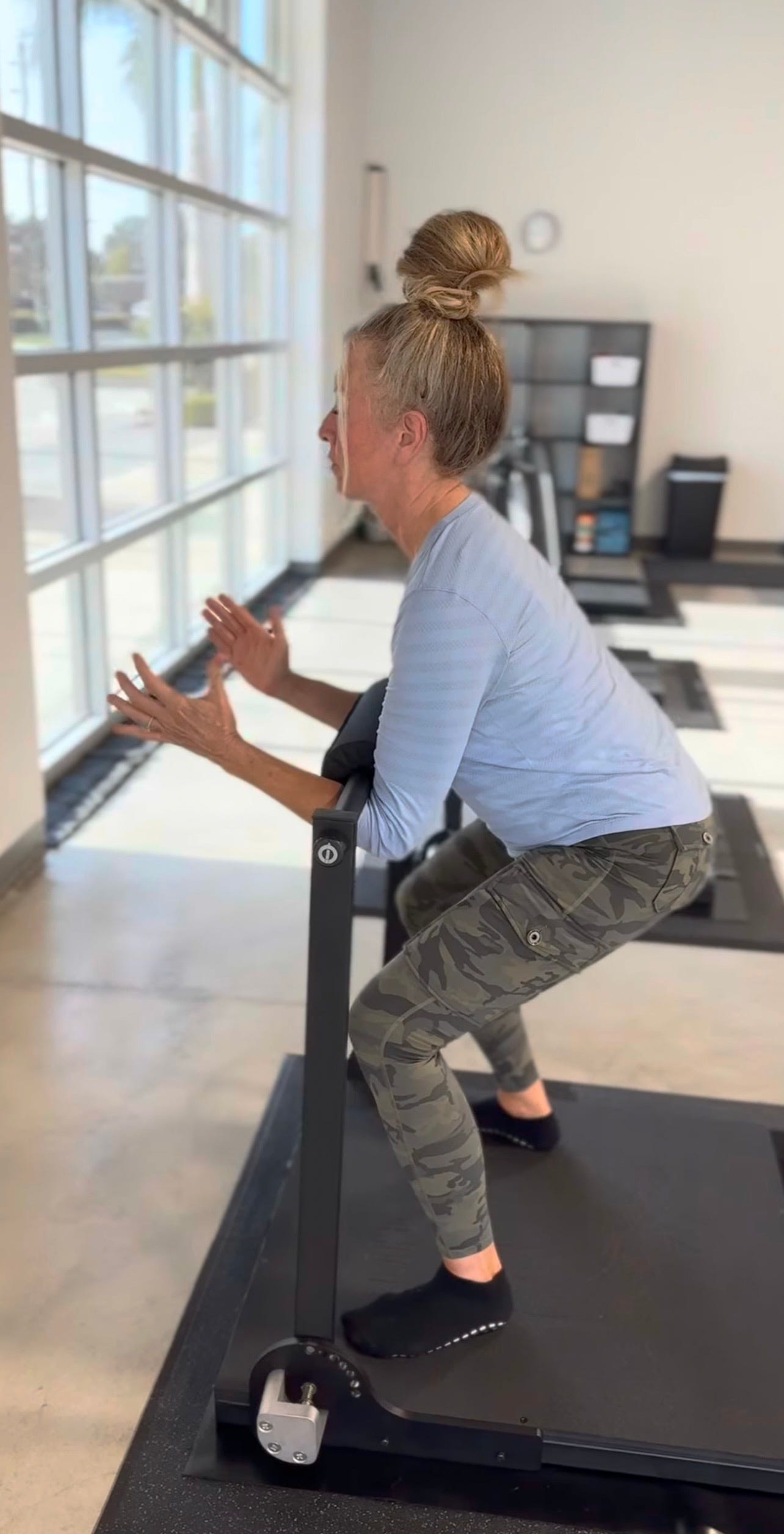
Huge thank you to our post-hip-replacement supermodel Jen from The Theorum Club in Bonita Springs, Florida, for showcasing several of the rehabilitation exercises she performs on Isophit.
At Isophit, we help the world’s strongest, fastest, and most dominant athletes—and everyday people—to win more, hurt less, and age stronger.
Learn more at www.isophit.com