From Exercise to Outcome: Why Understanding Isometric Loading Dictates Results

Understanding how to perform an exercise is useful. Understanding why a loading strategy works is what separates a technician from a true practitioner.
For decades, isometric training has been widely used in sport performance, rehabilitation, and general fitness. Yet despite its popularity, the majority of practitioners still apply isometric loading without fully understanding the biomechanical, neural, and tissue-level mechanisms that determine whether an exercise actually produces the intended outcome. The result is predictable: exercises are performed, but the physiological adaptation is often inconsistent or incomplete. When practitioners understand the why behind isometric loading principles, their ability to deliver consistent and measurable outcomes improves dramatically.
Isometric training is not simply pushing against something that does not move. Every isometric contraction is governed by force direction, joint position, moment arms, neural drive, and tissue-specific tolerance. Small adjustments in any of these variables can significantly change the stimulus placed on the musculoskeletal system. Practitioners who fail to understand these variables often assume that holding a position alone is sufficient. In reality, the effectiveness of an isometric contraction depends on how precisely the load is applied and how well the contraction variables match the desired physiological adaptation.
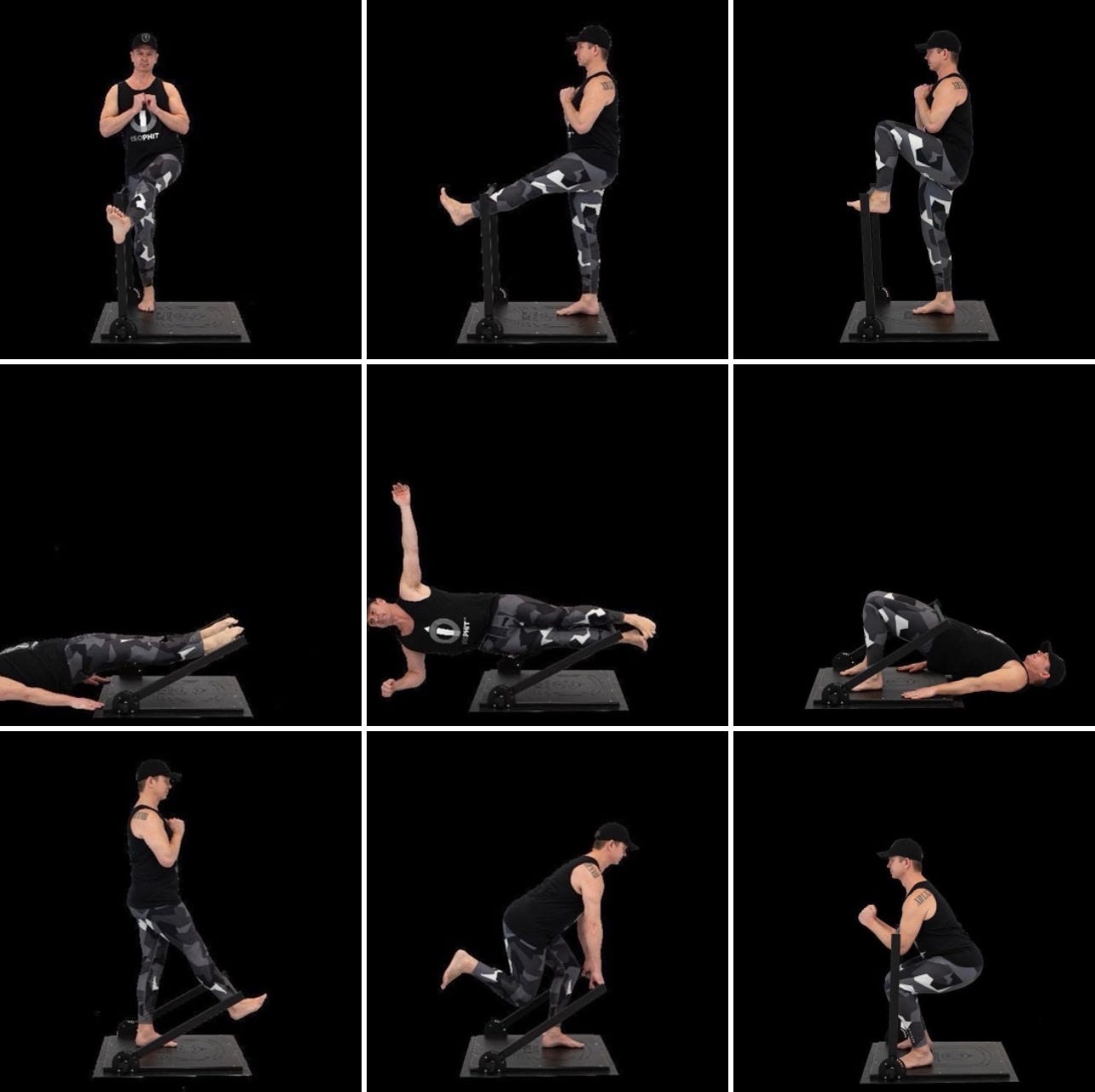
This is one of the central reasons education around isometric loading has become so important. Practitioners must understand how contraction intensity, duration, and force orientation influence outcomes such as strength endurance, peak force production, and rate of force development. They must also understand how joint axes, restraint placement, and stabilization influence the torque experienced at each joint. Without this understanding, the practitioner cannot reliably control the training stimulus.
Another critical concept is tissue-specific adaptation. Muscles, tendons, ligaments, and neural structures all respond differently to mechanical loading. Isometric training allows practitioners to target these tissues with remarkable precision when the loading strategy is correctly designed. However, if the practitioner does not understand how these tissues behave under load, the opportunity to use isometric training as a powerful tool for both performance enhancement and injury mitigation is often lost.
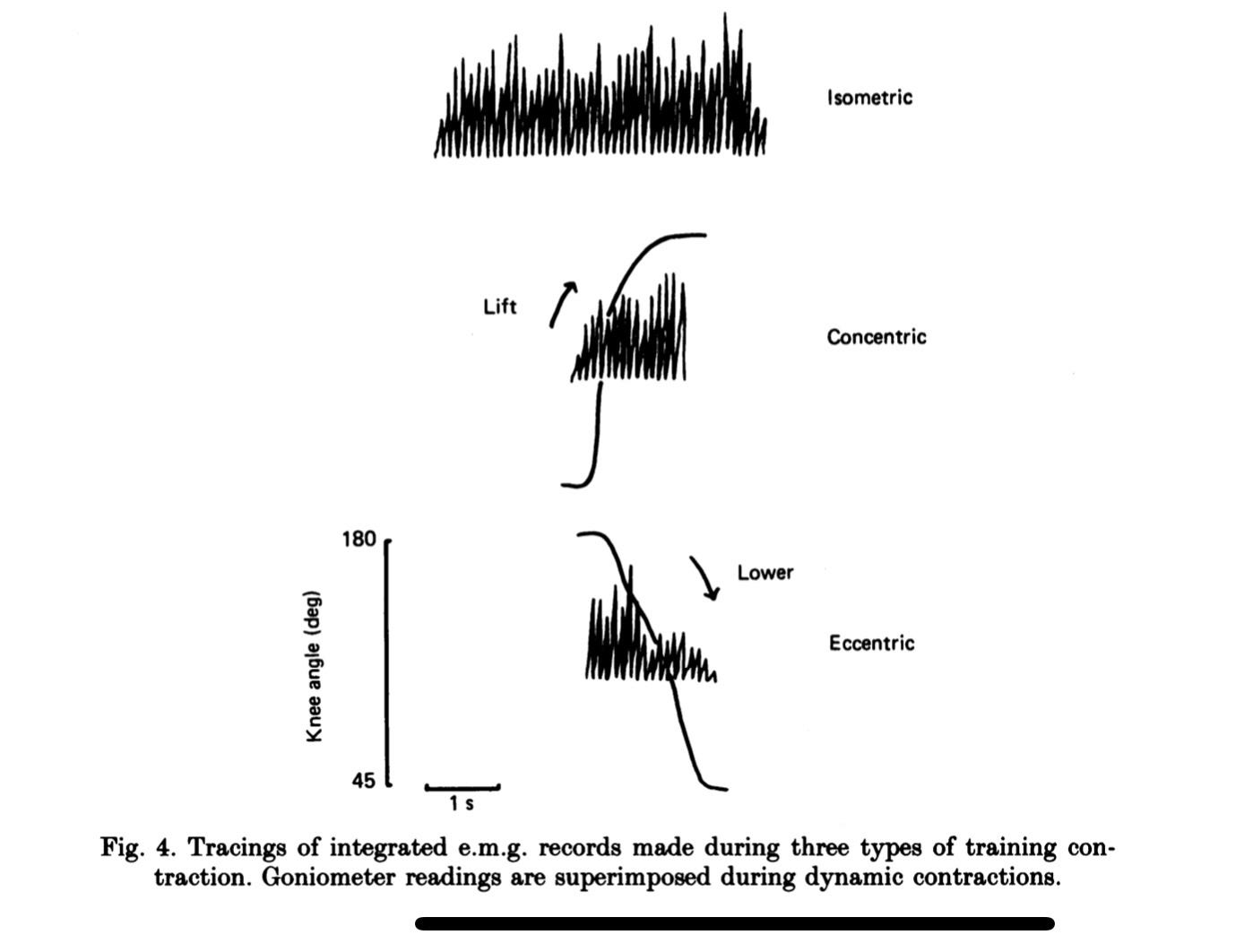
Equally important is the neural component of isometric force production. Force generation begins with neural activation and coordination across multiple muscle groups. Practitioners who understand how neural drive influences the initiation and maintenance of force can manipulate contraction strategies to improve motor unit recruitment, enhance coordination, and refine the efficiency of force transmission through the kinetic chain. These neural considerations are often overlooked in conventional strength training education, yet they are fundamental to understanding why isometric loading can be so effective when properly applied.
The ability to evaluate outcomes is another defining skill of a well-educated practitioner. Effective training requires continuous assessment and adjustment. When practitioners understand the underlying mechanisms of isometric loading, they can identify whether an exercise produced the intended result and modify programming variables accordingly. This feedback loop is essential for both athletic development and rehabilitation progress.
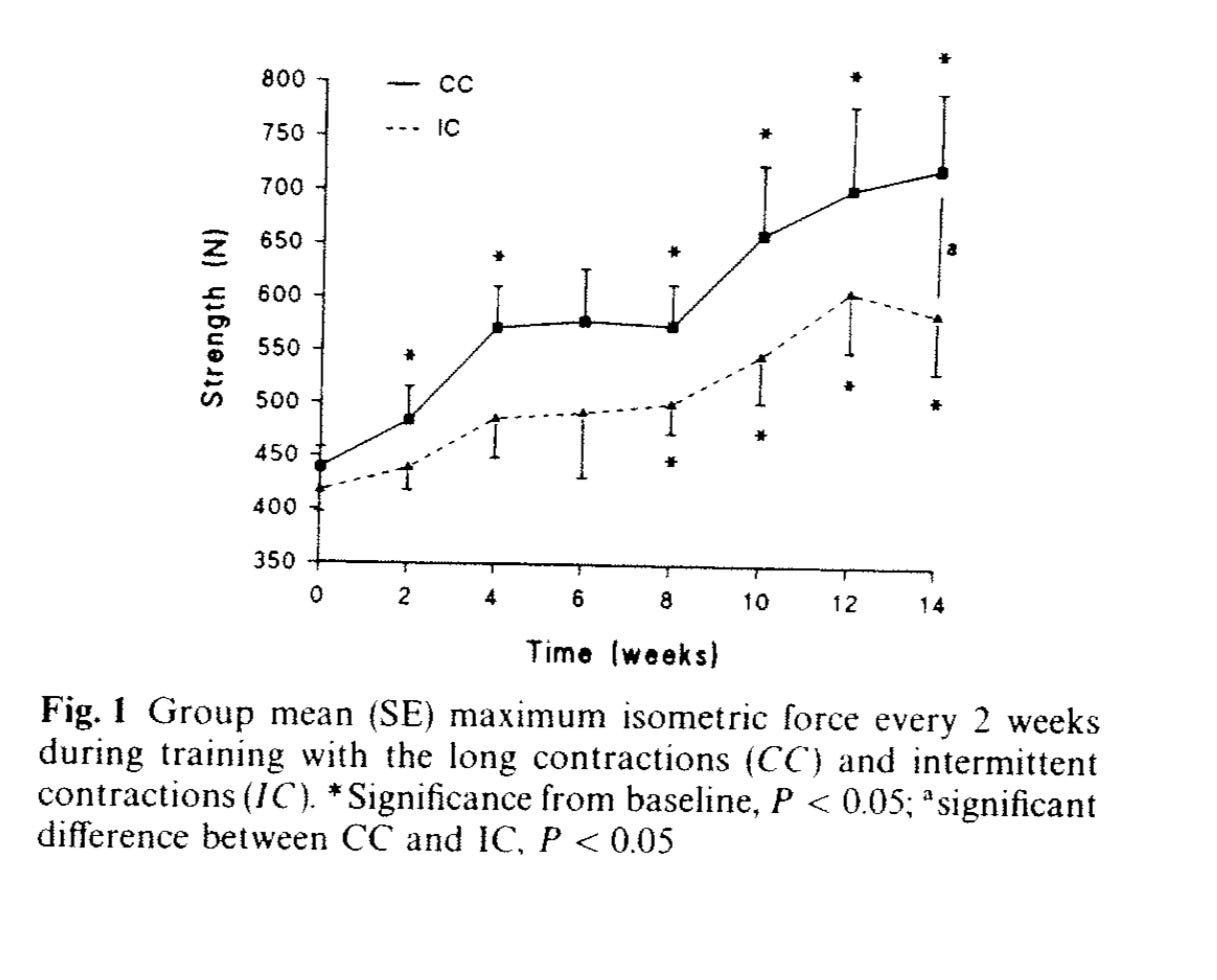
This is precisely why structured education in isometric training has become increasingly valuable for strength and conditioning coaches, athletic trainers, physical therapists, and performance professionals.
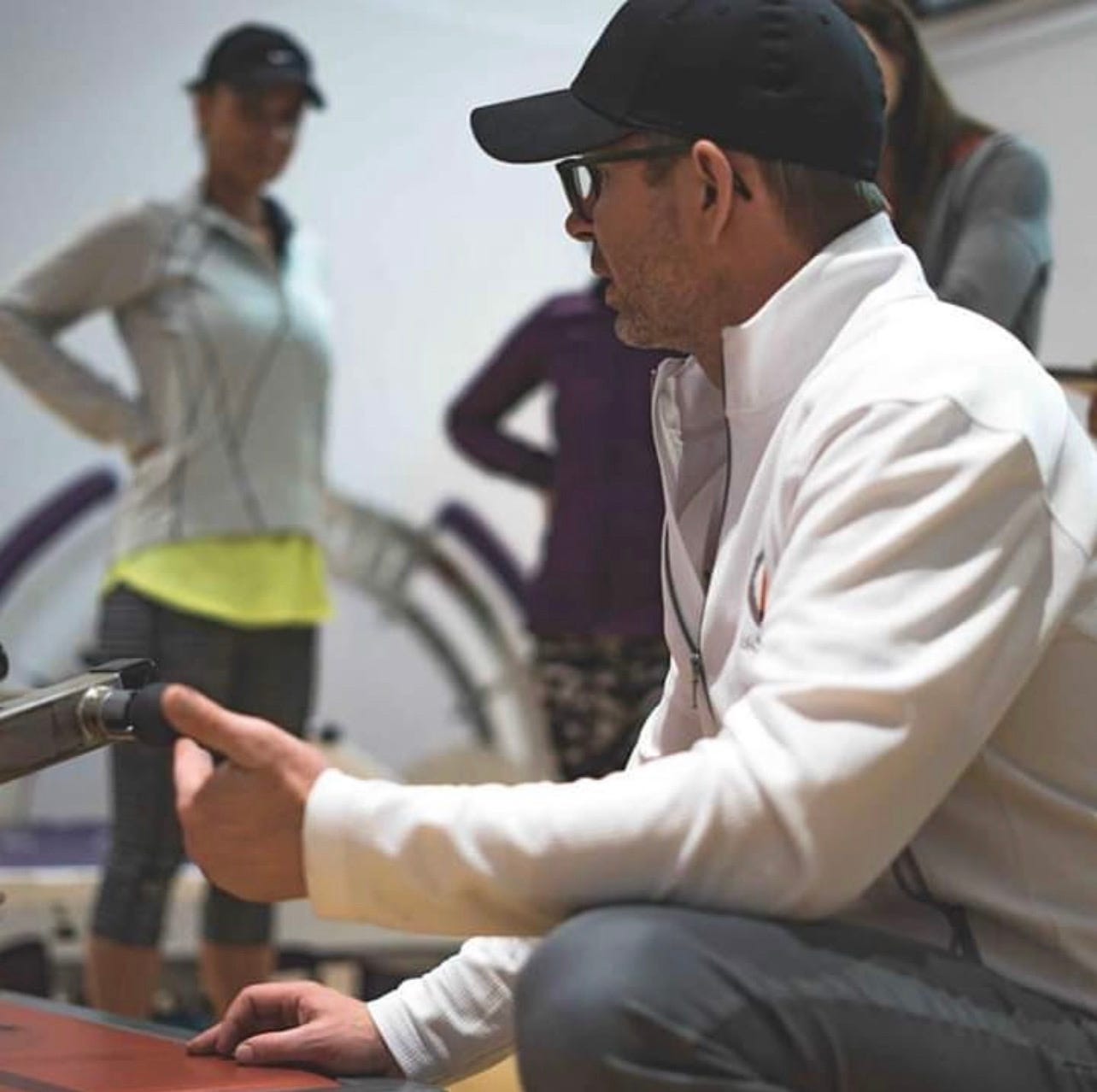
The Isophit Strength Coach Certification Course was designed to provide practitioners with this deeper level of understanding. The course teaches professionals how to assess clients, select appropriate exercises, and apply precise loading strategies that align with the goals of performance development, rehabilitation, or general physical preparedness.
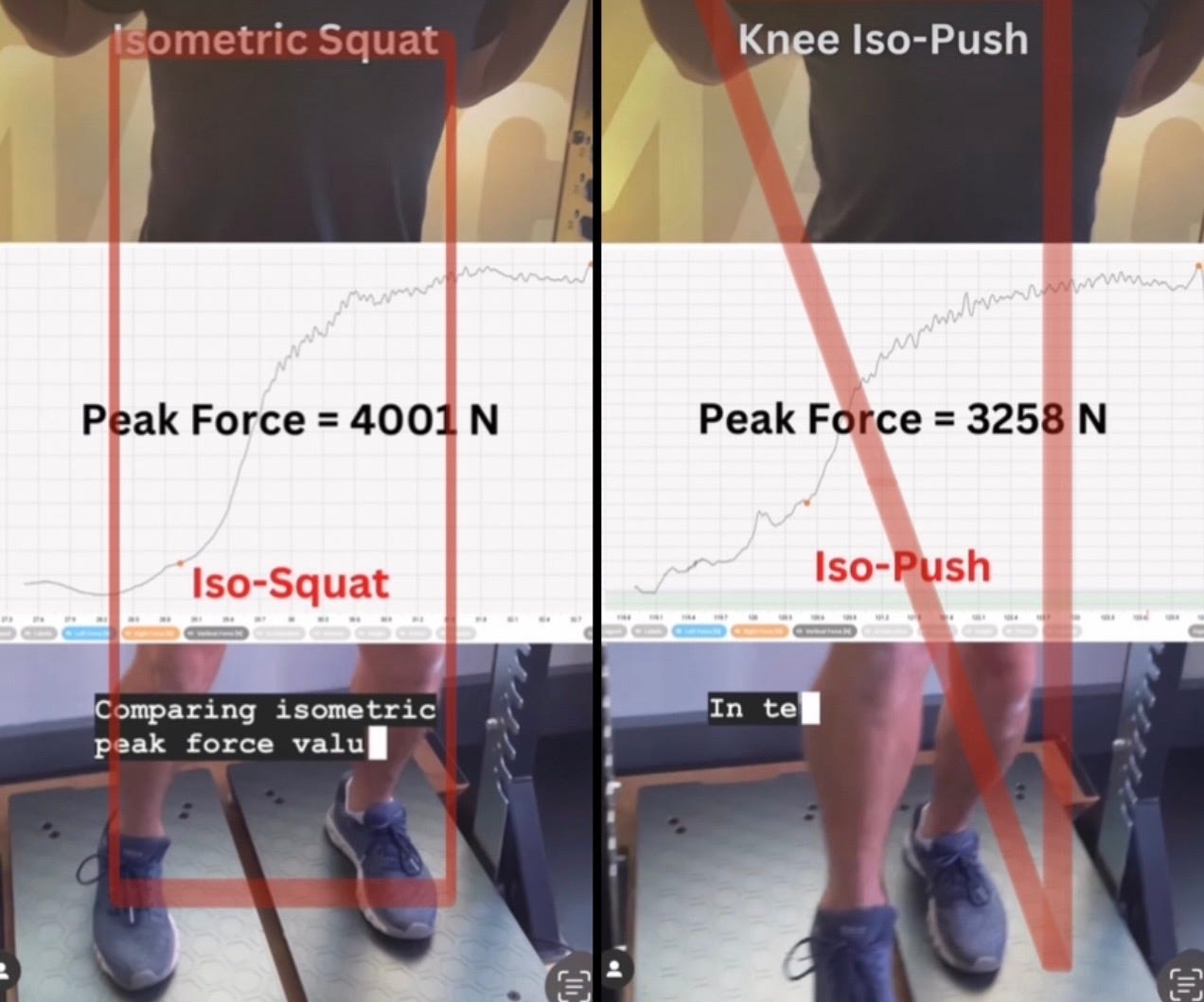
Participants learn how to design training sessions that account for force direction, joint axes, moment arms, and stabilization requirements, while also integrating neural, vascular, and tissue-level considerations into programming decisions. Over the course of the program, practitioners move beyond theory and into applied practice. They learn how to prescribe contraction intensities and durations to target specific outcomes, how to structure programming frequency and volume, and how to evaluate whether a training session achieved its intended objective.
By the end of the course, participants are equipped with a clear framework for applying isometric loading principles in real-world settings.
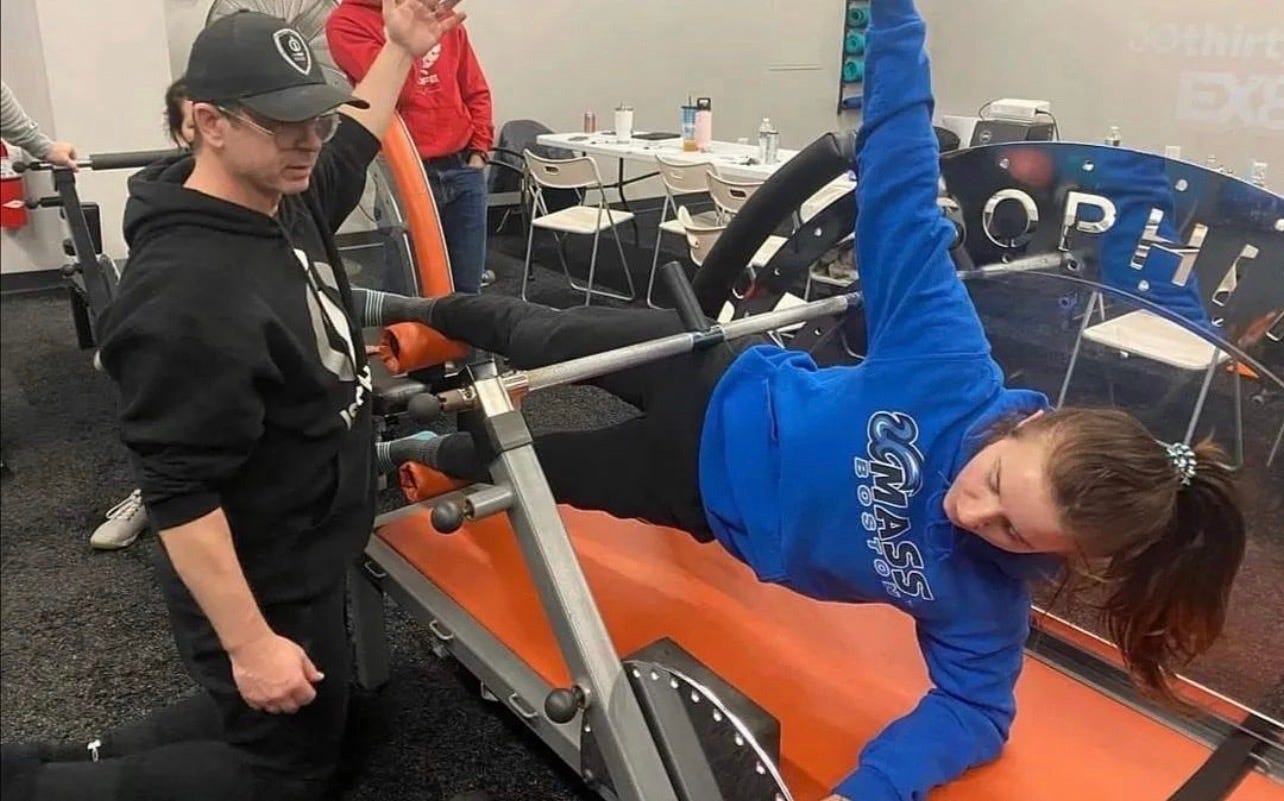
In today’s performance and rehabilitation environments, practitioners are expected to deliver measurable results while minimizing unnecessary injury risk. Achieving that standard requires more than simply applying exercises—it requires understanding the mechanisms that drive adaptation.
When practitioners understand the why behind isometric loading principles, they move from guessing to programming with precision. And that shift in understanding is where better outcomes begin.
Below is a list of our upcoming Isophit Strength Coach Certification Courses. I hope you see you there.
At Isophit, we help the world’s strongest, fastest, and most dominant athletes—and everyday people—to win more, hurt less, and age stronger.
Learn more at www.isophit.com