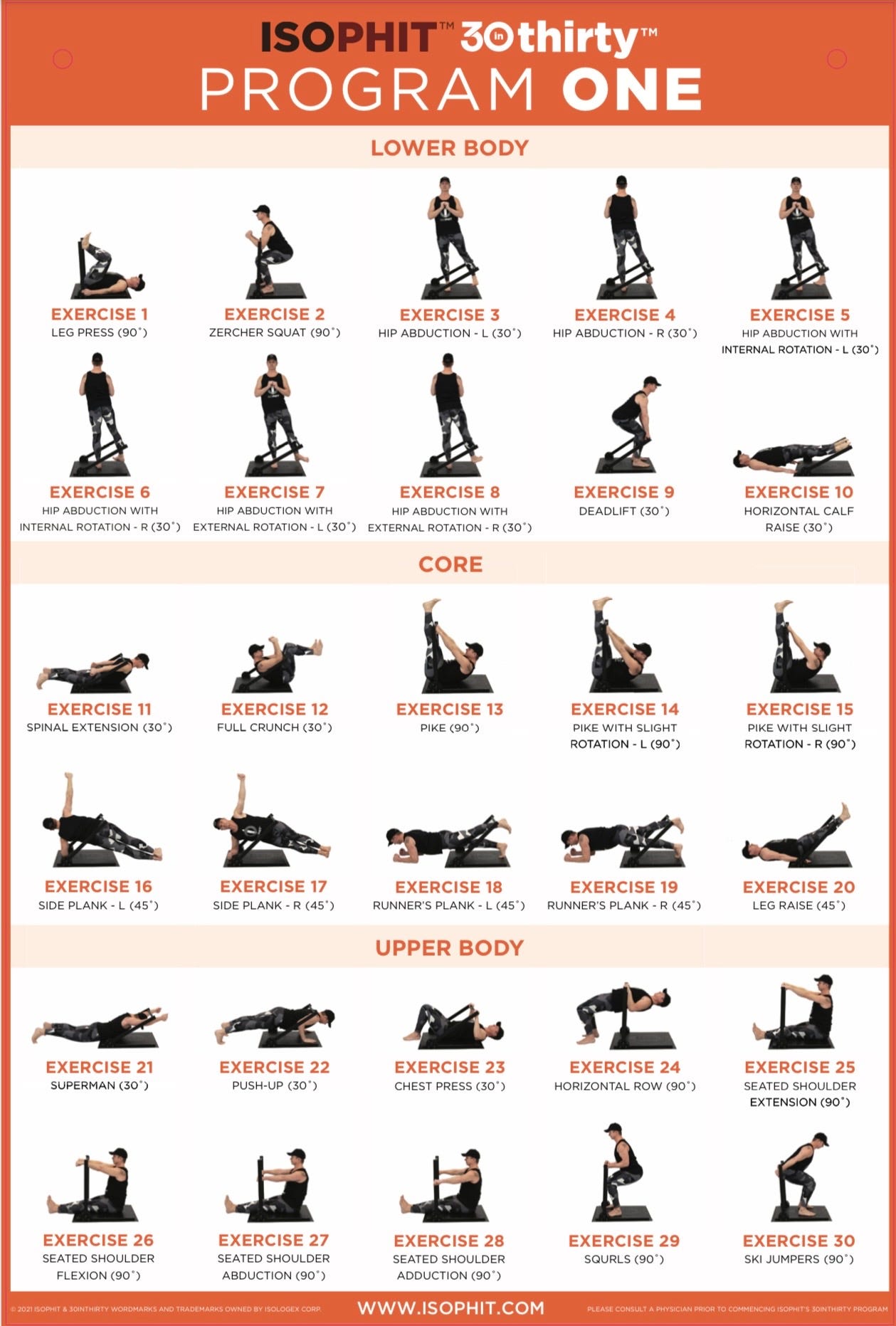
Could Isometric Strength Training Be the Solution Runners Have Been Searching For?

Research shows that 70 to 90% of runners are injured running. This is one of the most alarming statistics in human performance. Running is promoted as one of the simplest ways to improve health and fitness, yet injury rates remain consistently high. Coaches see it every season—athletes train hard, stay consistent, and eventually something in the knee, shin, or hip starts to break down. So how do we reduce the risk of running while improving a runner’s performance?
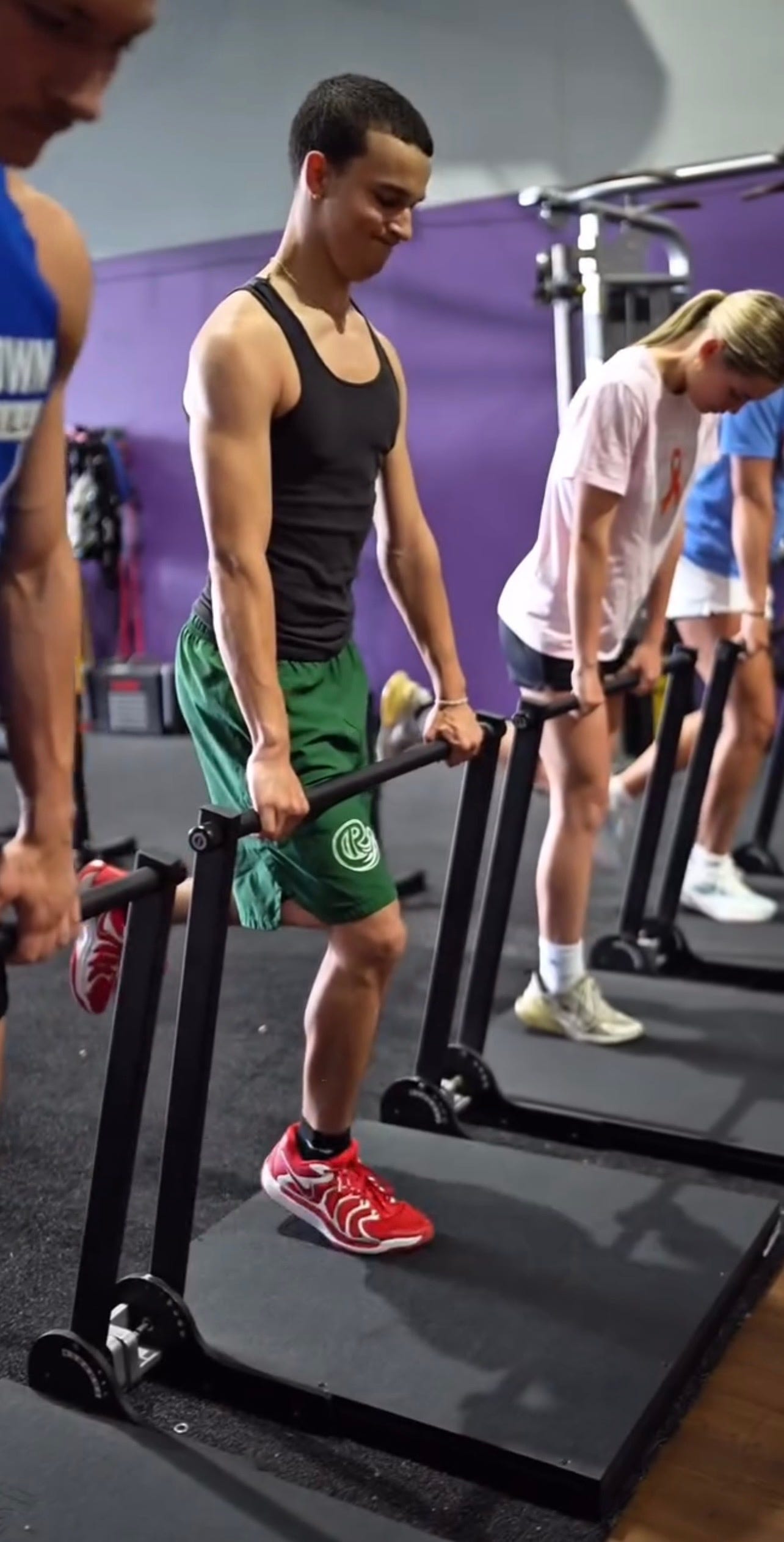
The first step is understanding what running actually demands from the body. Running is not just aerobic work. Every stride requires the athlete to generate force into the ground, stabilize the ankle, knee, and hip, and transfer that force forward so the body continues moving. This process repeats thousands of times in a single run and tens of thousands of times during a week of training.
If the muscles responsible for stabilizing those joints cannot generate enough isometric strength, controlling those positions during ground contact becomes difficult. The knee may drift slightly inward. The pelvis may drop more than it should. The lower limb must work harder to stabilize each step.
Early in a run these changes are small and often go unnoticed. But distance running is built on repetition. When these small losses in control occur thousands of times, the mechanical load placed on the knee gradually increases. Over time that stress can become pain.
Researchers examined this relationship in runners by measuring isometric strength of the hip abductors, knee extensors, and knee flexors before the season began. The runners were then followed throughout the competitive season to monitor injuries.
The results were straightforward. Runners who developed anterior knee pain consistently fell within the weakest group for hip abductor, knee extensor, and knee flexor isometric strength. In practical terms, the runners with the lowest levels of isometric strength around the hip and knee were the athletes most likely to develop knee pain.
This finding aligns with how the body manages force during running. The hip abductors stabilize the pelvis when the foot contacts the ground. The knee extensors support body weight and help drive the runner forward. The knee flexors coordinate motion across the hip and knee and assist with controlling the lower leg.

When these muscles cannot generate sufficient isometric strength, the knee becomes harder to stabilize during repeated loading. Each stride may look normal, but the joint absorbs more stress than it should. Over thousands of steps that additional stress increases the likelihood of anterior knee pain.
Isometric strength training also improves running performance.
In a controlled training study, endurance runners added two sessions of isometric strength training per week while continuing their normal running program. After six weeks the runners improved their 2.4-kilometer time-trial performance and increased their maximal aerobic speed. Running economy improved as well, meaning the runners required less energy to maintain a given pace.
The athletes also improved their ability to generate force. Relative peak force during an isometric mid-thigh pull increased, and countermovement jump height improved. Runners who improved these force measures also improved their running performance. When the body can generate greater force relative to body weight, maintaining speed requires less effort.
Another piece of the puzzle involves the tendon system.
Muscles generate force, but tendons transmit that force to the skeleton. During running, tendons also help store and return energy with each stride. When the muscle–tendon unit can tolerate higher loads and transfer force efficiently, movement becomes more economical.
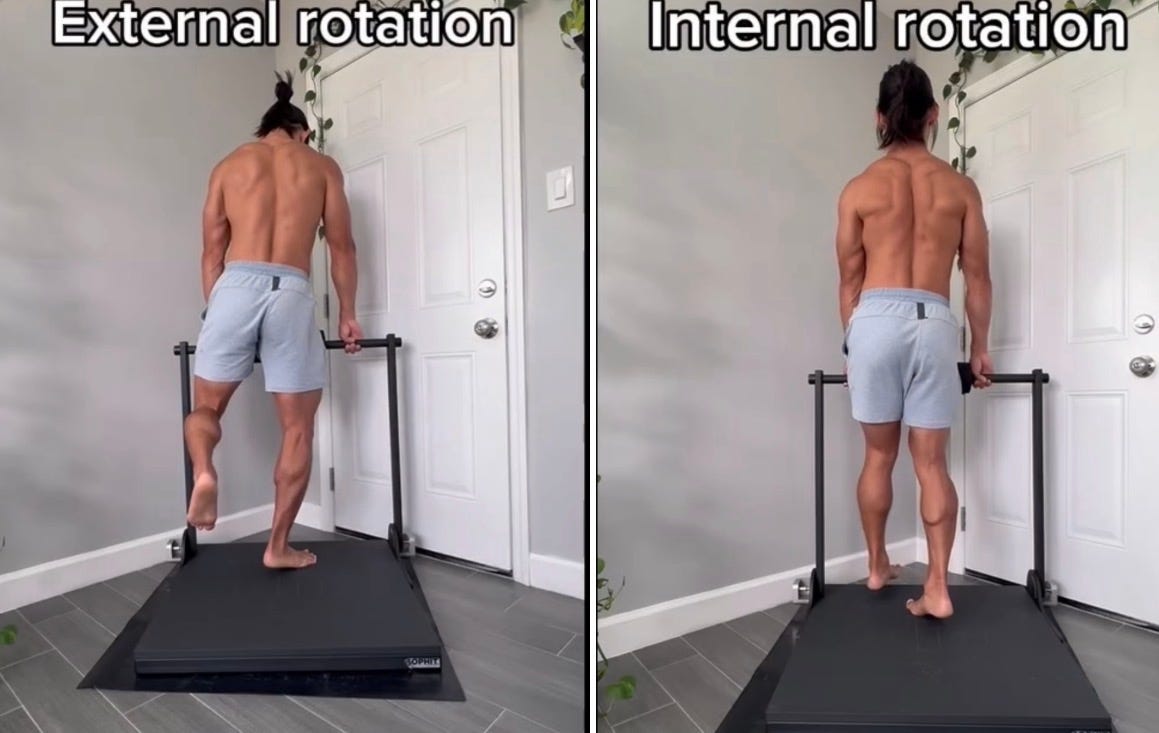
Training research shows that isometric work can significantly increase tendon stiffness in the calf musculature over a relatively short period of time. These changes are accompanied by improvements in force production and jump performance, indicating that the muscle–tendon unit becomes better prepared to transmit force.
For runners, this matters during ground contact. When muscles generate force and tendons transfer that force efficiently, less energy is lost and less unnecessary stress is placed on the joints.
When we step back and look at these findings together, a clear pattern emerges. Lower levels of isometric strength around the hip and knee are associated with a greater likelihood of anterior knee pain. Improving isometric strength improves running performance. Isometric training also prepares the muscle–tendon system to tolerate and transfer force more effectively.
For coaches and runners, the takeaway is simple. Running performance and durability are not determined by aerobic conditioning alone. The muscles and tendons responsible for stabilizing the hip and knee must be prepared to generate and sustain force during repeated ground contact.
When that preparation improves, runners stabilize the joints more consistently, transfer force through the stride more efficiently, and tolerate the thousands of steps required by distance running.
At Isophit, we help the world’s strongest, fastest, and most dominant athletes—and everyday people—to win more, hurt less, and age stronger.
Learn more at www.isophit.com